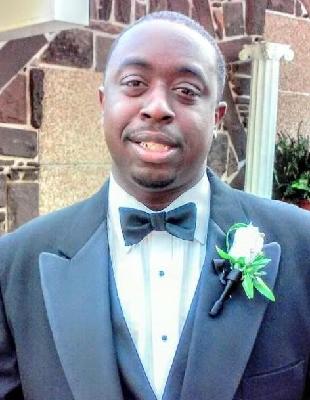
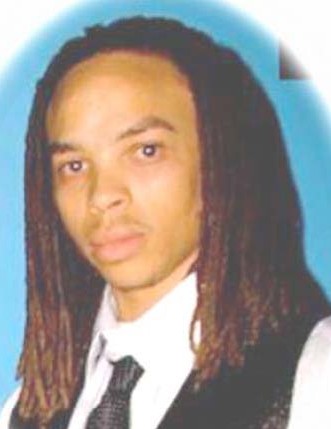
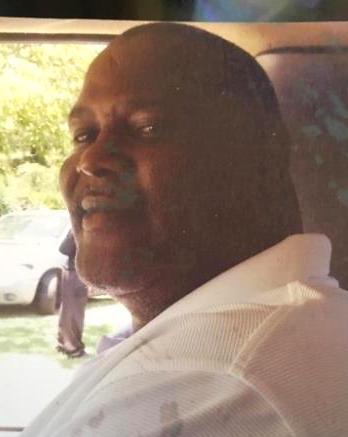
James Ord Watkins, a 59-year-old man, was one of five people found slain inside Birmingham’s Changing Times Lounge on October 16, 1994, in a crime that unfolded with chilling stillness by morning light. According to court records and memorial reporting, Watkins was among the regular patrons in the bar when the night turned deadly. When the bodies were discovered, Watkins, along with Florence Adell Elliott and William A.
Nelson Sr., was found in the bar area, while Lester and Pamela Dodd, who worked there, were found in the pool-table area. Investigators concluded that all five had been shot in the top or back of the head in what the courts later described as an execution-style killing, and the scene itself told of robbery as well as murder: the lounge had been ransacked, the cash register emptied, and the victims’ personal belongings scattered.
As the case came into focus, police traced the violence back through the final hours before the massacre. Testimony later showed that earlier that evening, a bartender at Crazy Eights Bar in Bessemer overheard Stephen Pilley and Andrew Anthony Apicella talking about making some “easy money,” with Pilley saying he did not have a gun and Apicella replying that he could get guns. Witnesses then placed the two men inside the Changing Times Lounge that night, where they stood out because they were not regulars. One witness said they were still there around 12:30 a.m., with only a few customers and the Dodds remaining. The investigation deepened when a friend of Pilley’s testified that Pilley and Apicella appeared at her home before daybreak, stayed until morning, injected each other with a cocaine solution, and split up cash they claimed to have won playing pool. Police interviewed Pilley several times, and his story shifted from denying he had been there at all, to saying he had been there alone, to finally admitting he had been there with Apicella while denying involvement in the killings. The lead homicide detective ultimately arrested both Pilley and Apicella and charged them with capital murder.
The case did not end with those arrests; it moved through years of indictments, trials, appeals, and resentencing. Apicella was indicted by a Jefferson County grand jury in March 1995, convicted in May 1996, and although his jury recommended life without parole, the trial judge overrode that recommendation and sentenced him to death in 1997. Pilley was also convicted and sentenced to death, but his first conviction was later reversed by the Alabama Supreme Court, which found that the trial court should have declared a mistrial after improper contact involving a juror; he was retried, convicted again, and the evidence was again held sufficient to support the capital murder conviction. The published record therefore points to two suspects, two arrests, and two separate capital murder prosecutions arising from the robbery and slayings at the lounge where James Ord Watkins lost his life.