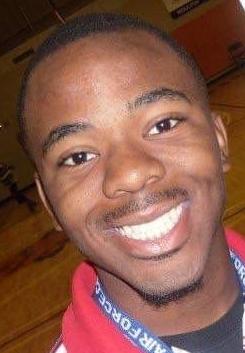
Kedrick Bowman, 17, was a Black male from Decatur, Alabama, whose last day began in the dark hours of Monday, January 20, 2014, inside a home on Cotton Place in southwest Decatur. Not long before dawn, a single gunshot left him wounded in the head, and the emergency call brought officers to the house as paramedics rushed him toward help. He was taken to Huntsville Hospital, where he remained in critical condition before he died later that day.
As police tried to piece together what happened in the moments before the shot, early reports described the scene as a family home rather than a street corner or a public place. Investigators focused on the people who were there, interviewing witnesses and working to understand how the gun discharged. The initial coverage of the case reflected an active investigation, with authorities confirming the location and the fatal head wound while they sorted through accounts from those closest to him.
In the days that followed, law enforcement publicly indicated they were not treating the death as a criminal shooting by an outside suspect. Police said the account given by those present was that the shooting was accidental, involving Kedrick’s stepmother, Cynthia Bowman, who reported she was holding a. 380-caliber semi-automatic pistol when it fired without the trigger being pulled. Investigators said the family described prior mechanical trouble with the gun, and at that time police stated they had no plans to file charges against her, emphasizing that witnesses corroborated the accidental nature of the discharge and that the family was cooperating.
Because authorities said they did not plan to pursue charges, there were no arrests announced in connection with Kedrick Bowman’s death in the reporting around the case, and no suspect search in the traditional sense—no manhunt, no wanted posters, no courtroom arraignment that would normally follow a homicide. Instead, the official posture captured in the coverage was that investigators regarded the fatal shot as an accident tied to a firearm that the family said had malfunctioned before, leaving the community to mourn a teenager lost in an instant that was never supposed to happen.