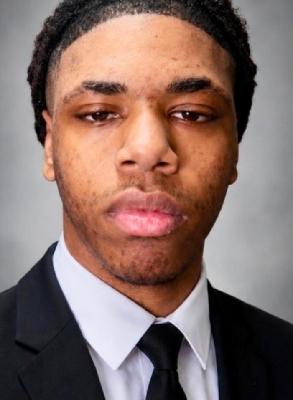
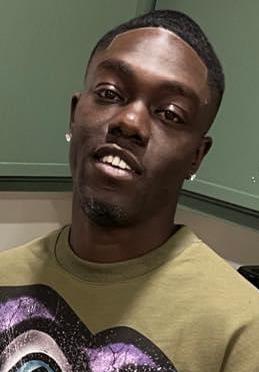
Justin Jackson, a 32-year-old Black man, died on October 4, 2020, in Montgomery, Alabama.
There are some losses that arrive in the world with a thunderclap and then, almost cruelly, leave behind only a handful of facts for the people who remain. This is one of those stories as it’s been shared here: a man’s name, his age, the city he called home, and a date that forever divides time into before and after. October 4 isn’t just a square on a calendar anymore.
It is the day Justin didn’t get to see the next sunrise as himself, with his own plans and routines and the ordinary hopes that make up a life.
Montgomery is a place with its own rhythm—streets and neighborhoods that hold the small, daily movements of people going to work, coming home, laughing on porches, checking on family, and trying to make it through the week. And yet, in that same city, on that same day, something happened that ended Justin’s story far too soon. When someone dies violently, it doesn’t only take them; it takes the version of tomorrow they were walking toward. It takes the conversations that never get finished, the apologies and the jokes and the plans that were supposed to come later. It creates an empty chair that no one else can sit in without feeling the shape of what’s missing.
All that remains in this telling is the ache of knowing he was only 32—an age when so much is still unfolding, when life can still feel like a long road ahead even if it hasn’t always been easy. Whatever the details were, whatever the moments leading up to it looked like, the result is the same: a person who should have been able to keep living was taken from the world. That kind of ending doesn’t stay contained to a single day. It ripples outward, touching everyone who knew him, everyone who loved him, and even people who never met him but can recognize what it means when a life is cut short.
In the quiet after such a death, grief often has two voices. One is sorrow—raw and human and relentless. The other is the need for meaning: the wish that there were more answers than there are, the wish that the story could be rounded out with the kind of clarity that lets a family breathe again. But even when the details are scarce, the truth is not: Justin Jackson mattered. He was not just a name attached to a date. He was a whole person, with a history that stretched behind him and a future that should have stretched ahead.
And so the date stands as a marker, but it shouldn’t be the only thing remembered. The heart of this story is that a man from Montgomery died on October 4, 2020, and the people who loved him have had to carry that weight ever since. The world moved forward, as it always does, but for those closest to him, time likely fractured—every milestone, every holiday, every ordinary day touched by the question of what might have been if Justin had been allowed to keep living.