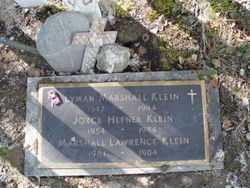
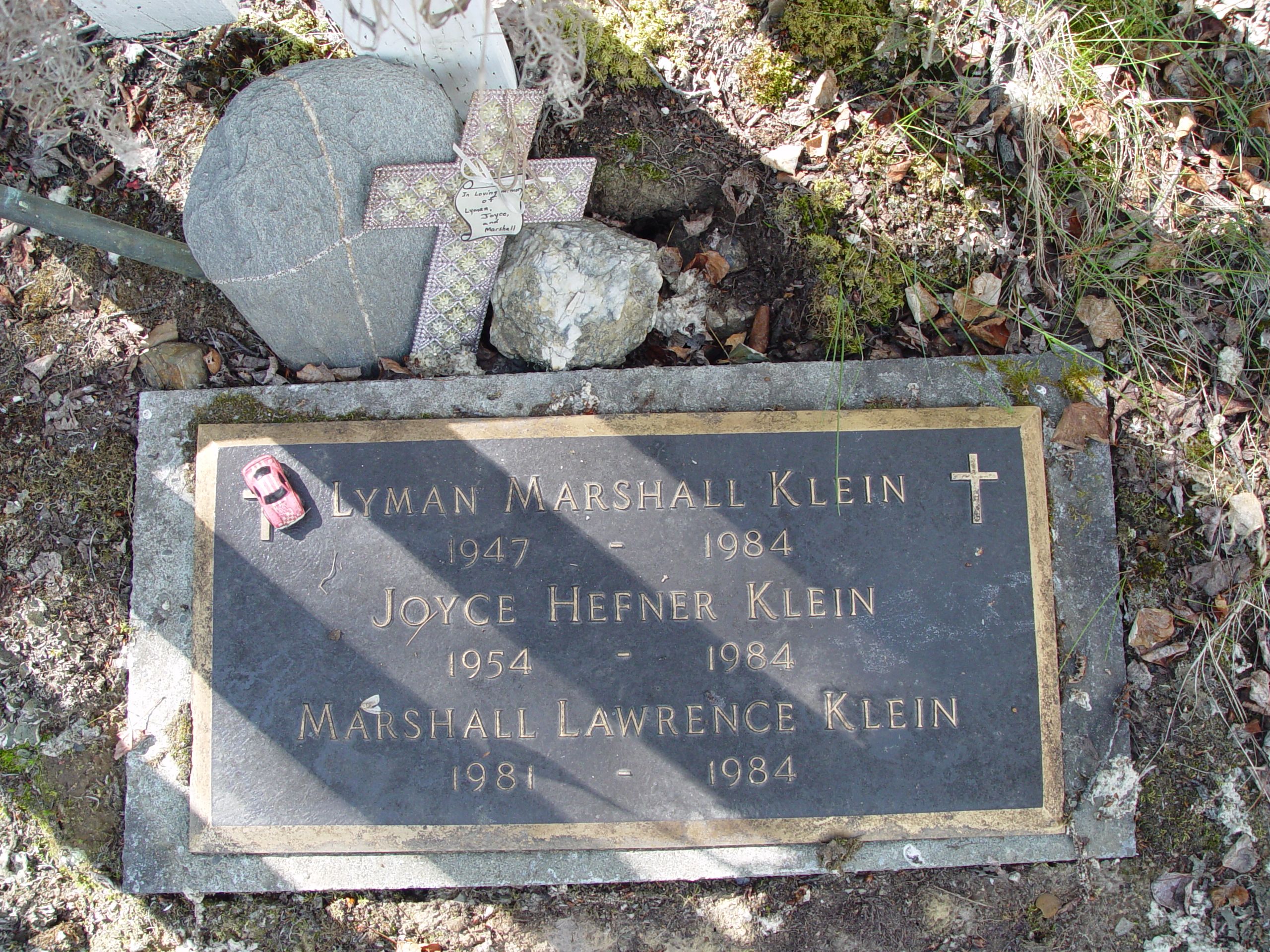
Marshall Lawrence Klein, a 2-year-old male, white/Caucasian, from Manley Hot Springs, Alaska, vanished into the long light of an Interior spring on May 17, 1984, when a simple family outing to the Tanana River turned into a calamity. He was last seen with his parents, Lyman and Joyce Klein, riding a four-wheeler toward the boat landing just outside the tiny settlement at the end of the road. Before that day was over, multiple Manley residents who drifted down to the river would also disappear, and the still, silty water would become the silent keeper of a town's grief. Marshall's short life is fixed to that date, with his resting place recorded at the Manley Hot Springs Cemetery, a small spot of ground that carries the weight of a terrible spring.
The town's fear coalesced quickly around a stranger who had been lingering at the river's edge: Michael Alan Silka, a 25-year-old drifter who arrived in Manley Hot Springs days earlier and pitched a tent near the boat launch. By the evening of May 17, six locals who had gone toward the landing were unaccounted for, among them Lyman Klein, Joyce Klein—four months pregnant—and their son, Marshall. The next day, villagers called the Alaska State Troopers. When troopers reached the landing in the early hours that followed, they found blood and spent casings on the ground—signs that confirmed something violent had happened where the river widens and the current pulls hard.
A vast air search raced the clock and the long daylight, fanning up the Tanana and over its tributaries until troopers spotted Silka along the Zitziana River. Offered a chance to surrender, he opened fire, killing Trooper Troy L. Duncan with a shot through a helicopter windshield and wounding another officer. Return fire cut the fusillade short; Silka died there in the brush and back-eddies, ending the manhunt before any arrest could be made. In the days that followed, the river began to give back a few of the lost. By June, authorities had recovered several victims from the Tanana—including Lyman Klein—while others remained claimed by the cold, opaque water. For Marshall's death, there were suspects but no arraignments, a case sealed not by handcuffs but by a gunfight in the country above the river.
Time has preserved the outline if not all the particulars. Records and memorials tie Marshall's name to that day and that place: May 17, 1984, Manley Hot Springs—his family among seven Manley-area victims linked to Silka's spree. His father, Lyman, is listed among those lost to gun violence; his mother, Joyce, and the child she carried are counted in the roll that townspeople and troopers read in sorrow that week. Marshall rests in the hillside cemetery that overlooks the village, a marker to a two-year-old whose story became inseparable from a river landing, a stranger's rifle, and a community that was forced, almost overnight, to learn the vocabulary of tragedy.