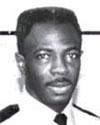
Male, age 36. Ethnicity not publicly reported. On October 22, 1986, in the remote Bristol Bay village of South Naknek, Village Public Safety Officer Ronald Eugene Zimin answered a domestic disturbance call that began like too many others—quiet voices on a radio, a short drive through wind and river fog, the familiar doorway of a home where tempers had broken loose. He stepped out, prepared to separate people and steady the night.
Instead, as he exited the residence, a rifle cracked from ambush. The. 30-06 round struck his chest, ending the shift and the life of a community's first responder in an instant.
In the hours that followed, the shock ricocheted through South Naknek. Word spread that the shooter had lain in wait, turning a call for help into a fatal trap. Neighbors and troopers converged, and the man who pulled the trigger was taken into custody. In court, the state laid out the ambush, the weapon, and the abrupt violence that had stolen a father and husband from his family. A jury found the assailant guilty of first-degree murder. The judge imposed a 50-year prison term; years later, the gunman died behind bars.
Zimin's death changed how people spoke about risk in Alaska's villages. He was a U.S. Navy veteran who had served three years as a VPSO, part of a small corps asked to be medic, firefighter, search-and-rescue lead, and peacekeeper for communities far from the nearest trooper post. His killing became a touchstone—invoked whenever the dangers of answering domestic calls in isolated places had to be named out loud. Memorials and roll calls have kept the story alive: a name read each October, a bronze tribute in Anchorage, and reminders from state officials and reporters that only two VPSOs have been shot and killed in the program's history—Zimin in 1986 and Thomas Madole in 2013.
In the end, the record is stark and spare: a domestic call, an ambush, an arrest, a conviction, and a sentence that outlasted the shooter. What lingers is the picture of a 36-year-old officer walking toward a doorway in the cold, carrying the modest authority and outsized responsibility of rural public safety, and the sudden silence that followed a single shot. The services that week filled the Russian Orthodox church in Naknek before he was laid to rest in the South Naknek cemetery, a community gathering to say goodbye to the man who showed up when the radio called his name.