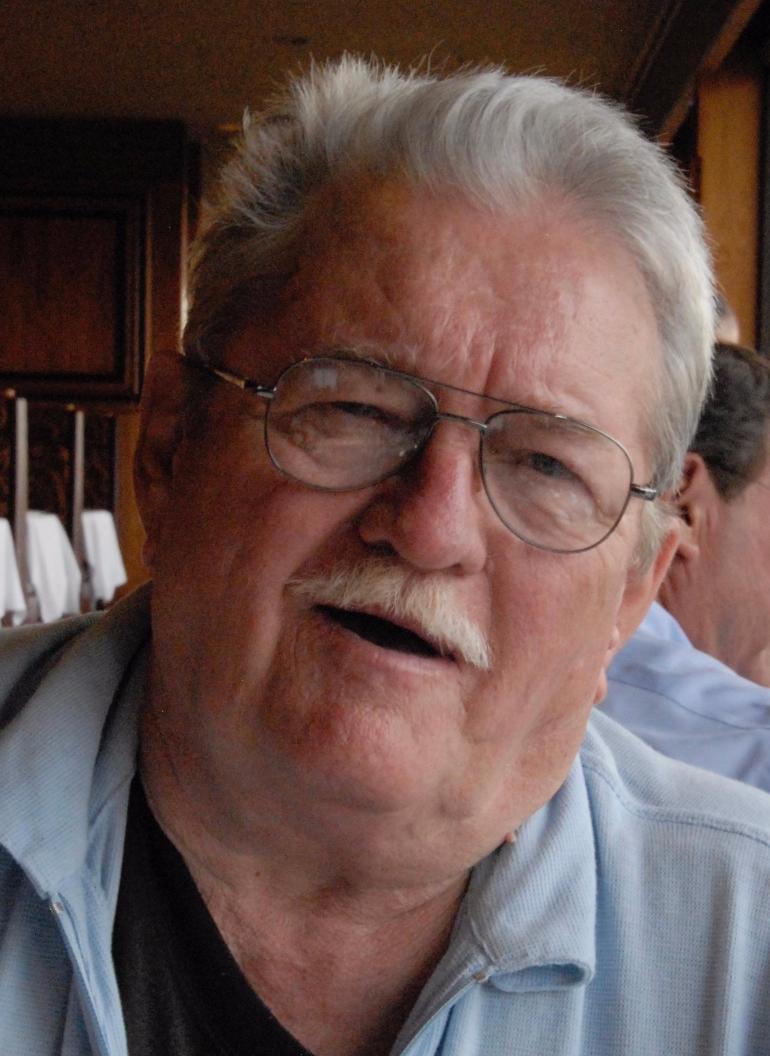
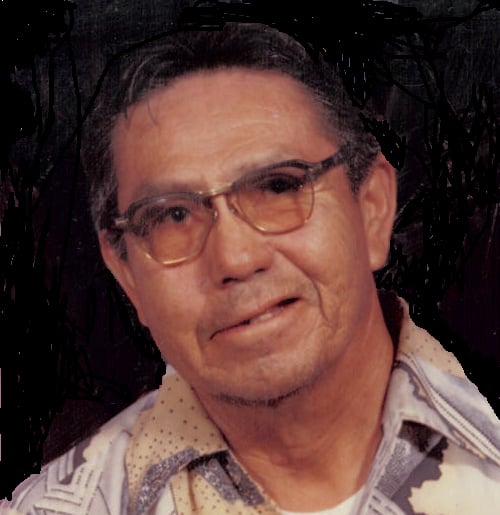
White/Caucasian male Kent John Leppink, age 36, left Michigan for Alaska's fishing grounds and settled into a tangled life in Anchorage. By spring of 1996, the 36-year-old man was enmeshed in a fraught triangle with his former fiancée, Mechele Linehan, and their on-again, off-again roommate John Carlin III. On May 2, 1996, the 36-year-old was found dead near a lonely stretch outside Hope, about 90 miles south of Anchorage, shot three times with a.
44-caliber handgun; shell casings lay nearby but no weapon was recovered. He had recently changed the beneficiary on a $1 million life-insurance policy, a detail investigators would later say loomed large over motive.
The 36-year-old's final days were shadowed by suspicion of those closest to him. Shortly before he died, he wrote a letter to his parents warning that if he were found under suspicious circumstances, Linehan, Carlin, or another acquaintance might be responsible. A decade passed with the case cold, until advances in computer forensics and new statements helped revive it. In October 2006, authorities arrested Linehan and Carlin, alleging they conspired to lure the 36-year-old to the wilderness and kill him.
In 2007, separate Anchorage juries found both suspects guilty of first-degree murder: Carlin in April and Linehan on October 22. Linehan received a 99-year sentence in April 2008, while prosecutors publicly framed the plot as driven by money and romantic entanglement. The following October, Carlin was found bludgeoned to death in his prison cell while appealing his conviction.
Appeals unraveled the state's case. On February 5, 2010, the Alaska Court of Appeals overturned Linehan's conviction, ruling that the jury had been unfairly swayed by evidence that should not have been admitted—specifically, the victim's letter and testimony linking Linehan to the film “The Last Seduction.” The State announced plans to retry her, and she was released on bond that spring. On December 13, 2011, a judge dismissed the indictment; in August 2012, prosecutors said they would not seek a new one. Years later, Alaska's highest court also reversed Carlin's conviction posthumously.
Today, the killing of the 36-year-old man remains officially unresolved. The absence of a murder weapon and the largely circumstantial nature of the case have left enduring gaps. Although the arrests and trials once seemed to provide answers, the legal reversals reopened every question about who shot the 36-year-old off the Hope Highway and why—leaving his story suspended between the stark facts of that day and the uncertainties that followed.