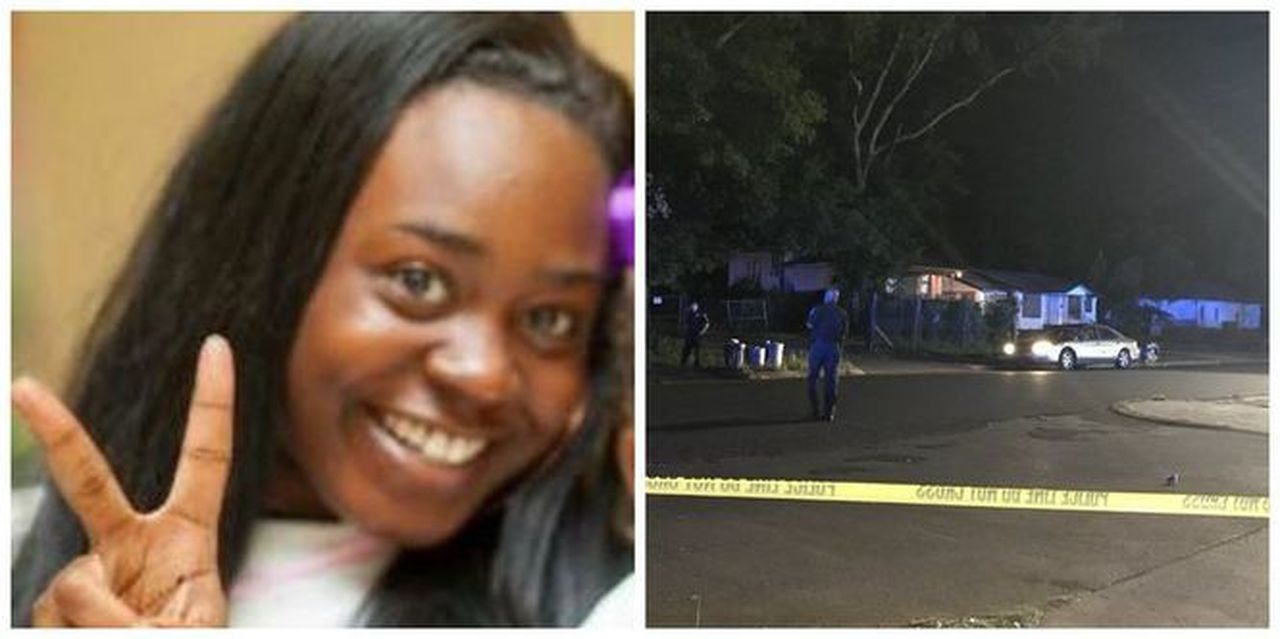
Patricia Joann Stisher, a 41-year-old woman from Birmingham, Alabama, was still alive when the story that would eventually be written about her first began—under harsh gas-station lights in north Birmingham, where a domestic argument erupted into gunfire. On February 26, 2021, police were called to the Marathon gas station at 3401 26th Ave. North, and Stisher was found shot and rushed for medical care.
She was treated and released, but the shooting did not end when she left the hospital; it followed her home in the form of lingering injuries and repeated trips back for treatment.
For months, what happened at that station remained a wound that never fully closed. Reports described Stisher being in a vehicle when she was shot, and the initial response focused on the violence that can flare in intimate disputes—quick, personal, and irreversible. Time passed, seasons changed, and the case stretched out as she continued dealing with complications tied to the gunshot injury. Then, on November 25, 2021, she died at UAB Hospital, and what had been a shooting investigation hardened into a homicide by the calendar’s simple turning.
After her death, investigators moved to treat the case not as a near-fatal encounter but as a killing that had taken months to complete. Birmingham police announced an arrest, naming Richard Olds as the suspect and saying he was taken into custody and held in the Jefferson County Jail with no bond. The accusation centered on the same moment at the Marathon station—an argument that ended with Stisher shot and bleeding, and a chain of medical suffering that ended nine months later with her death.
As the legal picture came into sharper focus in later reporting, Olds was described as having first faced charges connected to the shooting before Stisher died, and then being served with a capital-murder warrant after her death—an escalation that reflected the way the case changed when the victim’s long fight ended. By the accounts available publicly, the investigation’s central thread never shifted from that February confrontation and the allegation that the shooting grew out of a domestic dispute; the difference was that, by late November, the outcome was final.