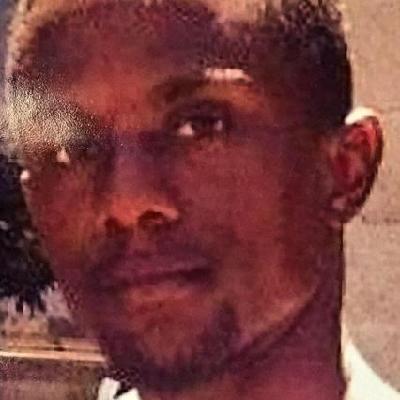
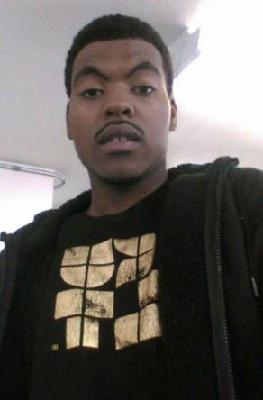
On the night of May 23, 2015, Jeremy J. Hollins, a 28-year-old African American man from Milwaukee, Wisconsin, was fatally shot outside a residence on the city's near north side. The shooting occurred shortly after 11:30 p.m. in the 700 block of West Reservoir Avenue, near North 6th Street. According to reports, Hollins had received a telephone call and stepped outside the home shortly before the gunfire erupted. He was shot in front of the residence and suffered fatal injuries.
Milwaukee police and emergency personnel responded, but Hollins was pronounced dead at the scene.
The sudden violence startled residents of the neighborhood, some of whom initially mistook the gunshots for firecrackers. As police began investigating, neighbors struggled to understand what had happened. One longtime resident told local reporters that she remembered Hollins from when he lived in the neighborhood and believed he had been friends with her children. The killing was particularly troubling because it occurred during a violent weekend in Milwaukee, when police responded to several shootings within a relatively short period. Other incidents left additional people wounded, although authorities did not establish a connection between those shootings and Hollins' death.
FOX6 Milwaukee
+1
Beyond the police investigation, Hollins' death devastated his family, particularly his younger brother, Bryan Hollins. In a later interview, Bryan described a side of Jeremy that many people outside his family never knew. Although Jeremy had previously served time in prison for armed robbery, his brother remembered him as a thoughtful, intellectually curious person who enjoyed discussing history, Greek mythology, and influential political figures. Their conversations often explored complicated subjects, revealing interests that went far beyond the circumstances of his past.
Bryan also recalled an experience that demonstrated his brother's generosity. During the previous winter, the brothers were driving through Milwaukee when they noticed a young boy standing at a bus stop in freezing weather, wearing only a thin windbreaker. Jeremy, who was wearing a peacoat, stopped and gave his jacket to the child. Bryan remembered the boy's surprise as they drove away. For him, the encounter reflected Jeremy's willingness to help someone in need without expecting anything in return. It was a memory that became especially meaningful after his brother's death.
The killing profoundly affected Bryan's outlook on Milwaukee and the community in which his family had grown up. He expressed frustration with the continuing violence and the devastating consequences for families who lost loved ones. The experience even led him to consider leaving Milwaukee and moving west, despite his close relationships with relatives who remained in the city. His grief extended beyond the loss of his brother to concerns about the future of the community and the need for people to recognize the good in one another.
Milwaukee police opened a homicide investigation following the shooting, but the circumstances surrounding the attack were initially unclear. Investigators did not publicly establish a motive, and no suspects were in custody immediately after the killing. By the time Hollins' case was revisited in reporting published in December 2016, authorities were still searching for the person responsible. His death was highlighted as an example of the devastating impact of Milwaukee's rising homicide rate and the emotional burden carried by families when a killing remained unresolved.
Milwaukee Times Weekly Newspaper
Milwaukee experienced 145 homicides during 2015, representing a substantial increase over the previous year and the city's highest annual total since 1993. Hollins was among the victims whose deaths illustrated the human consequences behind those statistics. Available reporting has not identified a confirmed suspect in his killing or documented an arrest, criminal charges, trial, or conviction directly connected to his death. Although the investigation's present status could not be independently established, the publicly available accounts leave unanswered who shot Jeremy Hollins, what prompted the attack, and whether anyone was ever held accountable. For his family, the tragedy was more than another unsolved shooting. It was the loss of a brother whose life included mistakes, generosity, curiosity, and relationships that continued to matter long after his death.