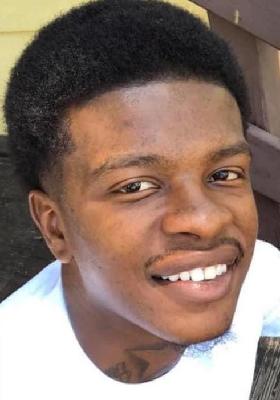
Dawayne Rumley, a 40-year-old African-American man, was found dead in Milwaukee, Wisconsin, on the morning of December 18, 2016. His body was discovered in an alley near North 15th Street and West Finn Place, just feet from a family's bedroom window. What initially appeared to be a suspicious death quickly developed into a homicide investigation after authorities examined the circumstances surrounding his discovery.
The disturbing scene left neighborhood residents shaken and raised questions about what had happened to Rumley during the hours before his body was found.
At approximately 7:45 a.m., W.T. Whitelow was returning home from work when he pulled into the alley behind his residence and noticed a body lying in the snow. Rumley appeared to have suffered a significant head injury, and blood was visible around the area where he was found. Whitelow described the body as frozen stiff and partially covered by snow. The discovery was particularly unsettling because it occurred only a short distance from the family's home. Milwaukee police responded shortly before 8:00 a.m. and began investigating the circumstances surrounding the death.
Investigators examined the alley and surrounding area for evidence that might explain what had happened. Whitelow observed blood markings in the snow that led him to believe Rumley's body might have been moved from nearby steps to the location where it was discovered. However, this was his personal observation, and authorities did not publicly confirm whether the body had been moved. Whitelow also reported that investigators collected a red-and-white farmer's hat from the scene as evidence. Its connection to the killing, including whether it belonged to Rumley or another individual, was not publicly established.
On December 19, 2016, Milwaukee police confirmed that Rumley's death was being investigated as a homicide. Authorities also indicated that the death did not appear to be related to exposure to the freezing temperatures. Investigators were still attempting to determine how long his body had been in the alley before its discovery. Although the apparent head injuries and blood at the scene suggested that Rumley had experienced violence, the available reporting did not establish an official medical cause of death or describe the precise circumstances of the fatal assault.
The discovery deeply affected Whitelow and his family. Having witnessed the aftermath of the killing so close to their residence, Whitelow expressed frustration about neighborhood violence and stated that his family was making plans to move because they no longer felt safe. He also emphasized the human tragedy behind the investigation, acknowledging that the victim was someone's loved one and urging whoever was responsible to surrender to authorities. Whitelow reported that he did not recognize Rumley, leaving unanswered questions about why he had been in that particular alley.
Despite the homicide classification, publicly accessible information about the subsequent investigation remains limited. No suspect has been conclusively identified in the available reporting, and no verified information establishes that an arrest, criminal charge, trial, or conviction resulted from Rumley's death. Investigators did not publicly disclose a confirmed motive, identify the weapon or instrument responsible for the fatal injuries, or establish whether Rumley had been attacked at the location where his body was discovered. His killing remains without a publicly documented resolution in the available sources, leaving the circumstances surrounding his final hours and the identity of the person responsible unanswered.