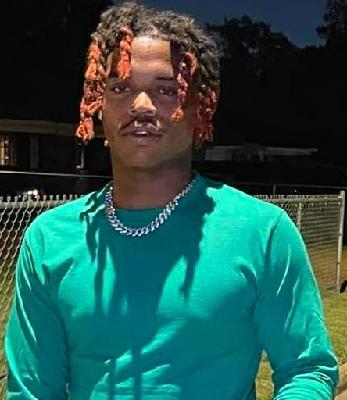
Christopher Carmicle, a 33-year-old Black man from Memphis, Tennessee, entered the public record in the bleakest way—through a discovery at a place meant for storage, not for the dead. In December 2007, his body was found in a Memphis Police Department impound lot, a detail later echoed in reporting that referenced his death while covering a separate impound-lot case years afterward.
What happened in the hours and days before he was found is not described in the publicly available accounts that are readily accessible online, leaving the timeline around his final movements largely in shadow. What is clearer is the grim setting: an impound lot, where vehicles are supposed to wait in silence for paperwork and release, became the backdrop to a homicide victim’s discovery—an image that lingers because it feels so wrong in its ordinariness.
Over time, Carmicle’s name has appeared in online cold-case listings tied to Memphis, indicating that his death has been treated as an unsolved homicide in at least some public-facing case compilations. One widely used crime-information site includes him in its “Area Cold Cases” for Memphis and identifies the investigating agency as the Memphis Police Department.
In terms of arrests, suspects, or court outcomes, the accessible online material does not provide names of any person charged in connection with Carmicle’s killing, nor does it describe a prosecution, trial, or conviction related to his death. The available database context also underscores that these types of entries are intended to catalog unsolved homicides drawn from submissions and public records—meaning that, at least within that framework, Carmicle’s case is presented as unresolved rather than closed by arrest and conviction.