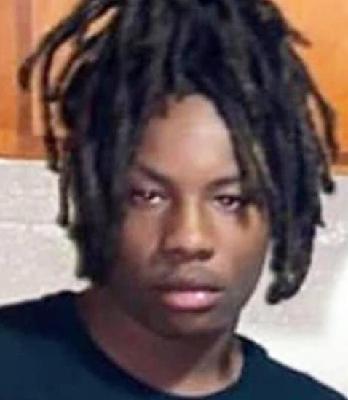
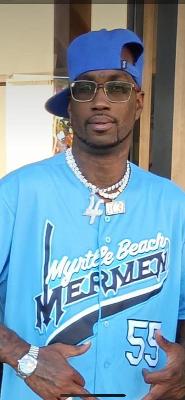
Marlo Williams, a 35-year-old Black man, was found slumped in the driver’s seat of his car outside an IHOP on Sycamore View Road in northeast Memphis on June 20, 2016, bleeding from a gunshot wound to the chest. Police had been dispatched on a “man down” call and arrived to find him unresponsive; first responders pronounced him dead at the scene.
As detectives worked backward from the parking lot, a disturbing detail surfaced almost immediately: a Snapchat image of Williams dying in the car, paired with a message boasting about the killing, began circulating among the shooter’s contacts. At least one recipient contacted police and turned over what they had, giving investigators a lead that moved faster than street rumors ever could.
Within a day, Memphis police arrested a teenager, Sebastian Vaughn, and initially charged him with second-degree murder. Court records later reflected a statement in which Vaughn admitted the meeting with Williams was for a drug transaction and that, during the encounter, he shot Williams and took money from him before leaving. Prosecutors upgraded the case to a first-degree murder charge in the perpetration of theft, and they filed notice seeking to move Vaughn out of juvenile court and into adult court.
The case widened beyond the shooter as investigators focused on what happened after the gunfire. Police charged Lee-Ann Coombs of Arlington—described as the mother of Vaughn’s girlfriend—with evidence tampering, alleging she took Vaughn’s backpack with the gun inside and arranged for it to be thrown into the Mississippi River. Reports later indicated that indictments followed not only for Vaughn but also for family-linked adults, reflecting accusations of help given after the killing and steps taken to conceal or destroy evidence.
As the legal process unfolded, a judge ordered a mental evaluation for Vaughn, and the dispute over the Snapchat image became part of the public narrative. While investigators treated the post as a key thread that helped lead them to the suspect, Vaughn’s attorney later publicly claimed Vaughn did not take and send the photo, pointing instead to another witness who allegedly created the image. Even with that claim, authorities continued pressing forward with the homicide prosecution in adult court, framing the shooting as a robbery-killing rooted in a drug deal gone violently wrong.