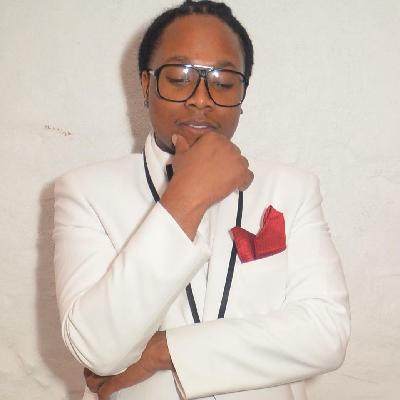
Tejuan Sartin, a 22-year-old Black man from Memphis, Tennessee, died on January 6, 2014, and his death marked the beginning of a grim year in the city—a moment that should have been just another ordinary winter day, but instead became a dividing line between before and after for everyone who loved him. In the Hickory Hill area where his life ended, the streets kept moving and the days kept turning, but for his family and friends, time would have felt like it slowed down, every hour suddenly
heavy with the question of how someone so young could be taken so fast.
In the days and weeks that followed, what should have been simple—answers, accountability, a clear path from tragedy to justice—did not arrive in any way the public could see. Later summaries of Memphis homicides from that year described his killing as unsolved, a stark word that carries more weight than it seems. Unsolved is not just an administrative label; it is a wound that stays open. It is the phone that never rings with the right news, the sinking feeling that comes with every passing anniversary, and the quiet, relentless fear that the truth could fade if it isn’t fought for.
No publicly reported arrests, named suspects, or filed charges have been tied to Tejuan Sartin’s death in the information available here. That absence becomes its own kind of presence—an empty space where a face, a name, and a courtroom story ought to be. It leaves behind a silence that families learn to live with but never truly accept, because silence cannot explain what happened, and it cannot restore what was lost.
Even as the case remained unresolved, the world still had to reckon with the reality of his death in the only certain way it could: laying him to rest. He was buried at Greenview Memorial Gardens in Hernando, Mississippi, a place of quiet ground and finality that stands in painful contrast to the unfinished nature of the story. A grave can offer a place to bring flowers, to speak prayers, to whisper apologies and promises into the air—but it cannot provide the one thing that matters most when a life is stolen: the truth of who did it, and why.
What remains is a portrait shaped by what is known and what is missing. Known: his name, his age, the date his life ended, the city he came from, the neighborhood tied to his last moments, and the fact that his death was counted among the first in a year that would see far too many. Missing: the full accounting that would let a family breathe again. And so his story lingers in the space between memory and unanswered questions, held up by the people who refuse to let him become only a statistic, who insist that Tejuan Sartin was a human being whose life mattered—and whose death still demands to be answered.