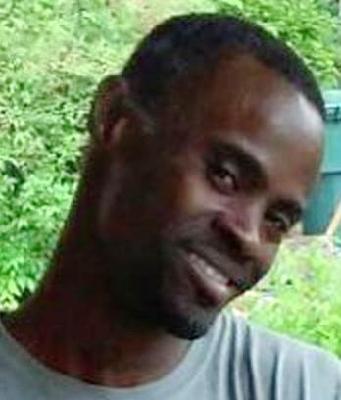
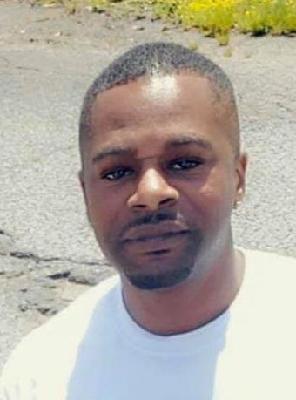
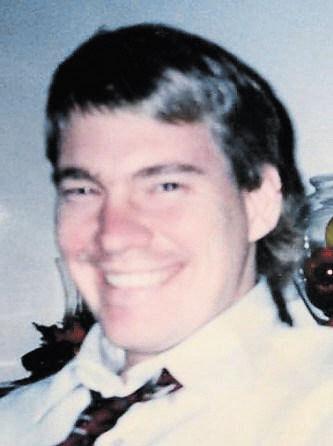
Godice Clark, a 42-year-old Black man from Memphis, Tennessee, died in mid-August 2017 after a homicide that left more questions than answers. The case appears in an unsolved-homicide listing tied to the Memphis Police Department, placing the incident’s report date on August 13, 2017, in the Parkview Drive area of Memphis.
In the records, the details that usually anchor a killing—who did it, why it happened, even the specific means—are missing or marked as unknown.
The suspect is listed as unknown, the cause is listed as unknown, and the case status remains unsolved under the same law-enforcement agency. What is clear is the location and that investigators treated it as a murder from the start, with the Memphis Police Department named as the investigating authority and a public request for anyone with information to come forward.
Days later, a death notice published in The Commercial Appeal and hosted through Legacy.com recorded Clark’s death as August 14, 2017, and noted arrangements through J.E. Herndon Funeral Home in Memphis. In the online guestbook, mourners wrote of a man deeply loved—an uncle, a brother, a friend from long-ago neighborhoods—remembered with the kind of aching familiarity that follows a sudden loss.
As for arrests or charged suspects, the public-facing case entry does not name any, and it continues to identify the suspect only as “Unknown,” consistent with an investigation that has not reached a publicly announced breakthrough. The Memphis Police Department’s Cold Case Unit describes its mission as reviewing and pursuing unsolved homicides, reworking leads, and applying newer forensic tools when possible; it also provides pathways for tips, including a Cold Case hotline and CrimeStoppers. In Clark’s case, the official public information still reads like an open door—an invitation for someone, somewhere, to say what they know and finally turn an unanswered death into a solved one.