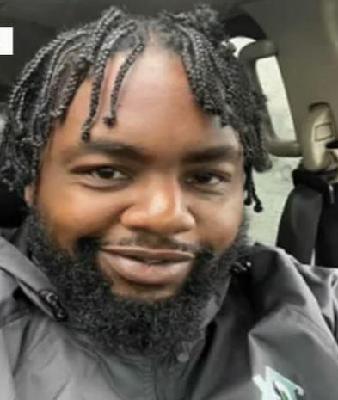
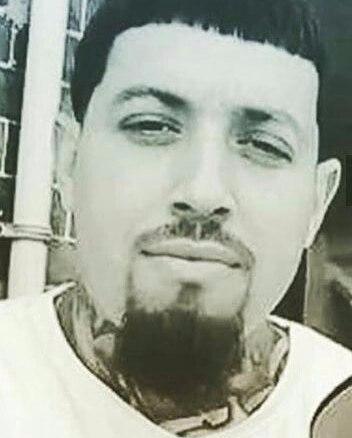
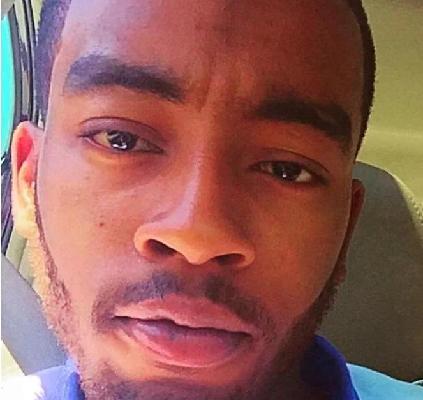
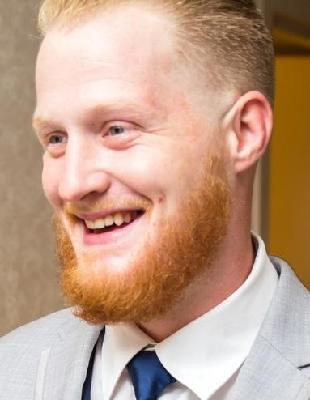
Darren Forrest, a 39-year-old Black male, lost his life in Philadelphia on June 22, 2011, in a shooting that left behind grief, unanswered questions, and only a small public record of what happened. His death was recorded on the 6200 block of West Girard Avenue, a place that, like so many city blocks, would have been filled with ordinary routines until violence suddenly turned it into the scene of a homicide.
What should have been another day in Darren’s life instead became the day his family, friends, and community were forced to carry forward without him.
The available information about Darren Forrest’s death is painfully limited, but even the few details that exist tell a story of a man whose life was taken far too soon. At 39 years old, Darren was still in the middle of his life, still young enough to have years ahead of him, still old enough to have built connections, memories, and a place in the lives of those who knew him. His death was not just an entry in a homicide record. It was the loss of a person who mattered. Behind his name was a life with history, relationships, struggles, hopes, and people who likely remembered the sound of his voice, the way he carried himself, and the role he played in their world.
The shooting on West Girard Avenue left behind more than a crime scene. It left behind a silence where answers should have been. Publicly available information does not explain what led up to the violence, whether Darren was specifically targeted, whether there had been a confrontation, or whether the person responsible was someone he knew. There is no clear public account of his final moments, no detailed timeline explaining how the shooting unfolded, and no known narrative showing what investigators believed happened that day. That absence makes the tragedy feel even heavier, because the public record preserves the fact of his death but not the fullness of the circumstances surrounding it.
For Darren’s loved ones, the lack of answers would have made the pain even harder to bear. Sudden loss is devastating on its own, but when a death is violent and unresolved, grief can become tangled with frustration, anger, and the constant ache of not knowing. Families of homicide victims are often left replaying questions that never seem to settle: Who did this? Why did it happen? Could it have been prevented? Did anyone see something? Will the person responsible ever be held accountable? In Darren’s case, the information available online does not provide those answers.
No public source located identified any arrest, named suspect, criminal charges, trial, plea, or conviction connected to Darren Forrest’s killing. That does not mean investigators never pursued leads or that people in the community never knew more than what appeared publicly. It means that, from the information available, there is no documented public resolution showing that someone was brought before a court and held responsible for ending his life. The case appears, in the accessible record, to remain without a known arrest or conviction.
That lack of resolution leaves Darren’s death suspended in the space between memory and justice. His name remains attached to the place where he was killed and the date his life ended, but the story is incomplete. The person or people responsible are not identified in the public information available, and no motive has been made clear. Without those details, Darren’s life risks being reduced to a few lines in a database, when in reality his death represents a wound carried by real people.
There is something especially heartbreaking about cases like this, where the public record offers only fragments. A name. An age. A location. A date. A cause of death. These facts are important, but they are not enough. They do not show who Darren was when he was alive. They do not describe the people who loved him, the moments they shared with him, or the future that was taken away. They do not capture the shock of the phone call, the grief of those who gathered afterward, or the birthdays, holidays, and ordinary days that would pass with his absence felt again and again.
Darren Forrest’s death was one of Philadelphia’s many homicides in 2011, but to those who knew him, it was not part of a statistic. It was personal. It was final. It was the loss of someone whose presence could not be replaced. His killing on the 6200 block of West Girard Avenue became part of the city’s record of violence, but it also became part of a family’s private history of mourning.
The most painful part of his story is that the ending remains unfinished. Someone knows what happened to Darren Forrest. Someone may know who fired the weapon, what led to the shooting, or who was present when his life was taken. Yet the public information available does not show that those answers have led to an arrest or conviction. Until that changes, Darren’s case remains marked by both sorrow and uncertainty.
What remains is the memory of a man whose life ended violently at 39, and the hope that the truth did not disappear with him. Darren Forrest deserved more than to be remembered only by the circumstances of his death. He deserved a full life, and after that life was taken, he deserved justice. His story stands as a reminder that every unresolved homicide leaves behind not only a victim, but a family waiting, a community wounded, and a question that should never stop being asked: who killed Darren Forrest, and why?