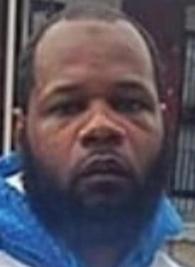
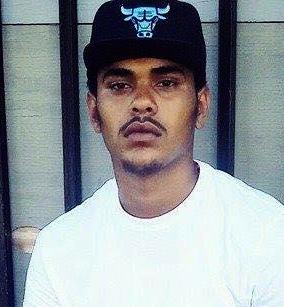
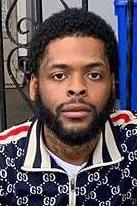
Jacques Charles, a 32-year-old Black male from Philadelphia, was killed on the night of July 14, 2013, in the Grays Ferry section of the city, not far from the place he called home. He lived on the 2800 block of Wharton Street, and when the violence unfolded, it happened only a short distance away on the 2700 block of Reed Street. In that painful closeness, the story carries an added weight: Jacques was not far from familiar streets, not far from the everyday surroundings of his own
neighborhood, when his life was taken.
That night, around 9:12 p.m., police found Jacques suffering from multiple gunshot wounds. He had been shot in the chest, arm, and leg, injuries that spoke to the sudden and devastating force of the attack. Emergency responders rushed him to the Hospital of the University of Pennsylvania, where doctors and medical staff would have had only moments to try to save him. But the damage was too severe. Just eight minutes after he was found, Jacques Charles was pronounced dead.
The details publicly available about what happened before the shooting remain limited. There was no clear account describing an argument, a robbery, a confrontation, or any specific event that led to Jacques being shot. What is known is that gunfire erupted on a Philadelphia street and left a 32-year-old man mortally wounded. In the absence of a fuller explanation, the case leaves behind a painful silence, the kind that often surrounds sudden violence when answers do not come quickly and loved ones are left trying to understand how an ordinary night ended in irreversible loss.
Jacques’s death was reported as a homicide, but investigators did not publicly identify a motive at the time. That absence of a motive makes the case feel even more haunting. Without a clear reason, the killing becomes harder to process, not only for those who knew him, but for anyone trying to understand the circumstances surrounding his final moments. He was found wounded on Reed Street, close to home, and within minutes he was gone. The speed of it all reflects the cruel reality of gun violence: a life built over 32 years can be stolen in a matter of seconds.
No suspect was publicly named in the available information, and no arrest was announced at the time of the initial reporting. Police had not identified who was responsible, and there was no public information indicating that anyone had been charged, tried, or convicted in connection with Jacques Charles’s death. The case, as described in the available details, remained without a publicly known suspect or clear resolution.
What remains is the story of Jacques Charles as a person whose life ended violently and far too soon. He was more than the location where he was found and more than the wounds that took his life. He was a man from Philadelphia, someone connected to a neighborhood, a home, and surely to people who felt the shock of his absence after that July night. His death on Reed Street became another painful reminder of how homicide leaves behind more than a crime scene; it leaves behind unanswered questions, grieving families, shaken communities, and a future that can never unfold.
For those who cared about Jacques, the lack of public answers likely deepened the grief. When no suspect is named and no motive is known, there is no easy place for the pain to settle. The unanswered questions can linger for years: who pulled the trigger, why Jacques was targeted, whether he knew his killer, and whether anyone ever came forward with information that could help bring accountability. Those questions remain central to the story because they are the difference between a death recorded in public reports and a life honored with truth.
Jacques Charles’s final moments were marked by violence, urgency, and loss, but his story should not be remembered only through the circumstances of his death. He was a 32-year-old man whose life mattered, whose death left a void, and whose case deserved answers. The fact that no publicly available information identified an arrest or conviction makes the need for those answers even more important. His name remains tied to an unsolved act of violence in Philadelphia, and his story stands as a reminder that every victim leaves behind people who remember them, mourn them, and deserve to know what happened.