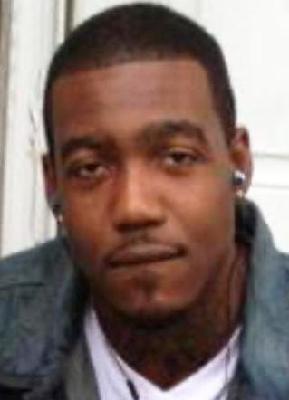
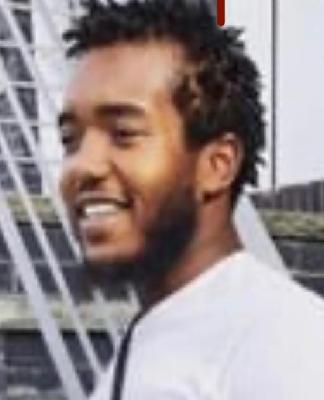
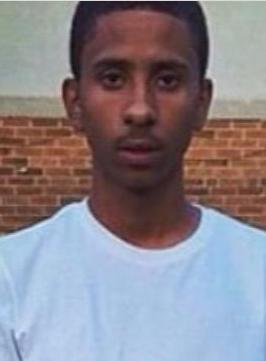
Malik Johnson, a 25-year-old Black male from Philadelphia, Pennsylvania, is remembered as a young man whose life ended far too soon, leaving behind the kind of silence that often surrounds cases where the public record does not tell the full story. His death stands as more than an entry in a homicide listing or a brief mention among many lives lost in the city. It represents a person, a family’s heartbreak, and a future that was taken before it had the chance to fully unfold.
At 25, Malik was still at an age when so much of life should have been ahead of him. He was old enough to have begun shaping his own path, but still young enough to be dreaming, changing, learning, and becoming. For those who knew him, his death would not have been understood through statistics or case summaries. It would have been felt in the empty space he left behind, in the conversations that could no longer happen, in the familiar routines that suddenly became painful reminders, and in the reality that someone they loved was gone.
The available information does not provide a detailed account of the circumstances surrounding Malik Johnson’s death. There is no clear public narrative describing where his final moments unfolded, what led to the violence, or who may have been responsible. That lack of detail can make a loss feel even heavier. When answers are missing, grief can become tangled with uncertainty. Families and communities are left not only mourning the person who died, but also searching for clarity about why it happened and whether justice will ever come.
Malik’s death occurred against the backdrop of Philadelphia, a city where many families have had to endure the devastation of losing loved ones to violence. Each case carries its own pain, but together they reveal a wider tragedy: young lives interrupted, neighborhoods forced to grieve again and again, and families left trying to make sense of something that never should have happened. Malik’s name belongs among those who should not be forgotten simply because the details of his case are limited.
No public information provided identifies any arrests, suspects, charges, trials, or convictions connected to Malik Johnson’s death. That means there is no confirmed public account of accountability, no named person publicly tied to the loss, and no known court outcome to bring even a measure of closure. For the people who loved Malik, that absence of resolution may be one of the most painful parts of the story. Justice is not only about punishment; it is also about answers, acknowledgment, and the reassurance that a life mattered enough for the truth to be pursued.
Behind the limited public record was a real person whose death changed the lives of those closest to him. Malik was not defined by the way he died. He was someone’s son, someone’s family member, someone’s friend, and someone whose presence once filled rooms, phone calls, memories, and everyday moments. His life had meaning before it was taken, and that meaning remains even when the circumstances of his death are not fully known.
The story of Malik Johnson is therefore a story of loss, unanswered questions, and remembrance. It is a reminder that every victim deserves to be seen as a human being first, not just as a case number or a name on a list. His death left behind grief that cannot be neatly summarized, and the absence of publicly available answers only deepens the sorrow surrounding it. Until more information becomes available, Malik’s story remains one of a young life cut short and a family left to carry the weight of both mourning and uncertainty.