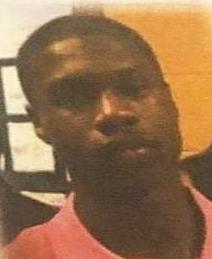
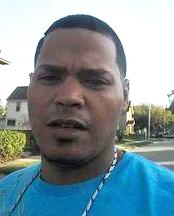
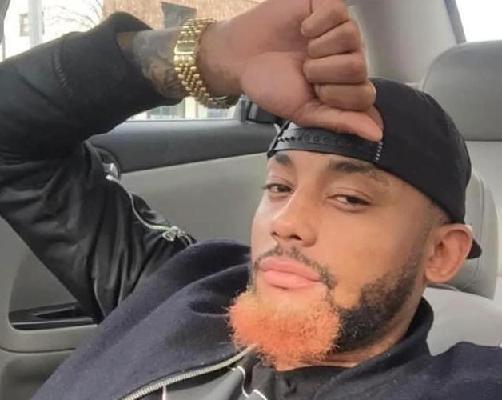
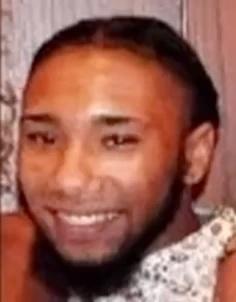
Charles Keitt, a 22-year-old Black male from Philadelphia, was killed in the early morning hours of February 26, 2015, in the Grays Ferry section of the city. He was from the 1200 block of South 26th Street, a neighborhood close to where his life ended. In the quiet darkness before sunrise, what should have been an ordinary night turned into a scene of violence on the 2700 block of Latona Street, where gunfire left Charles and another young man fatally wounded.
Police were called to
Latona Street at around 2:14 or 2:15 a.m. for a report of a person with a gun. When officers arrived, they found two men suffering from gunshot wounds. Charles had been shot multiple times, with reports describing injuries to areas including his leg, hip, neck, back, chest, head, and arms. He was taken to Penn Presbyterian Medical Center, where doctors and emergency personnel tried to save him, but his injuries were too severe. Charles was pronounced dead that morning, with one report placing the time of death at 2:38 a.m.
The shooting also claimed the life of 22-year-old Terrell Osborne, who lived on the 1200 block of South 27th Street. Terrell was found wounded at the same scene and was also rushed to Penn Presbyterian Medical Center. He survived for a short time after the shooting but was later pronounced dead at 4:02 a.m. Their deaths turned the incident into a double homicide, leaving two families grieving at the same time and one Philadelphia neighborhood shaken by the loss of two young men whose lives were taken before they had the chance to grow older.
For Charles’s loved ones, the facts of the case can only tell part of the story. A police location, a time of death, and a list of injuries cannot fully capture the weight of losing someone at just 22 years old. Charles was not just a victim in a homicide file. He was someone’s son, someone’s family member, someone who had people who knew his voice, his presence, his habits, and the place he held in their lives. His death left behind the kind of absence that follows families long after the news reports fade and the street where it happened returns to its daily routine.
The circumstances surrounding the shooting remain painful not only because of the violence itself, but because of the unanswered questions that followed. In the immediate aftermath, police did not publicly identify a motive. No suspect was announced, no arrest was reported, and no clear explanation was released about what led to the gunfire on Latona Street that morning. The lack of answers meant that Charles’s family and community were left with grief without resolution, forced to carry the burden of loss while still wondering who was responsible and why it happened.
The Philadelphia Police Department later listed Charles Keitt’s killing as an unsolved murder under DC number 15-17-007102. That designation means that, publicly, the case has remained open without a named person held accountable. Available information does not show any arrests, suspects, charges, trial proceedings, convictions, sentencing, or punishment connected to Charles’s death. For the people who loved him, that absence of justice adds another layer to the tragedy, because the person or people responsible have not been publicly brought before a court for what happened.
Charles’s story is one of a young life cut short in a burst of violence, but it is also a story of a family left behind to remember him without the answers they deserve. His name remains tied to an unsolved double homicide in Philadelphia, a case that still calls for someone with knowledge to come forward. Until there is an arrest and accountability, Charles Keitt’s death remains not only a loss, but an open wound for those who continue to seek justice in his memory.