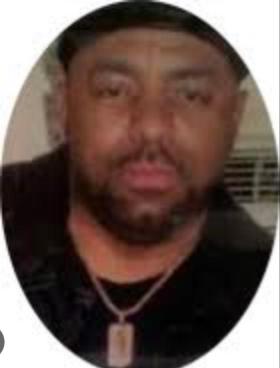
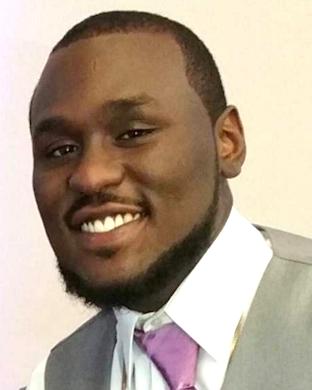
On a summer evening in Pittsburgh's Crafton Heights neighborhood, tragedy struck a man from New York. Shakiem H.B. Williams, a 41-year-old Black male, found his life cut short on July 30, 2015. Just before 9 p.m., the sound of multiple gunshots echoed through Woodlow Street, prompting calls to the Pittsburgh police. When officers arrived at the scene, they discovered Williams lying on the street, having succumbed to his injuries.
He was pronounced dead at 8:53 p.m.
The initial investigation offered few leads, and for years, the case of Williams' death remained a painful open wound for his family, who grieved the loss of their son, brother, and father without the solace of justice. Detectives diligently pursued the case, believing the incident was a robbery that had taken a violent turn. It was suspected that Williams had been targeted for his belongings by assailants who were also from New York, and during a struggle, he was shot multiple times. Despite their efforts, the individuals responsible for his death remained at large, and the case grew cold.
A breakthrough finally came nearly four years after the fatal shooting, born from a seemingly unrelated arrest and a crucial piece of evidence left at the crime scene. A piece of a dreadlock, recovered from Woodlow Street, held the key. In February 2019, a man named Aaron Cross was arrested on unrelated drug and gun charges, and his DNA was entered into a national database. This routine procedure yielded a significant match; his DNA was linked to the evidence found at the scene of Shakiem Williams' homicide. Investigators had also identified two persons of interest through Williams' phone, which was recovered at the scene, and Cross was a common link between them.
The DNA match provided the crucial break investigators needed. The suspects in the robbery and shooting were ultimately identified and taken into custody. They faced a litany of serious charges, including murder, robbery, and conspiracy, bringing the long and arduous investigation to a close. The resolution of the case, four years after the crime, finally offered a measure of closure to Williams' grieving family, who had never stopped hoping for answers and accountability for his senseless death.