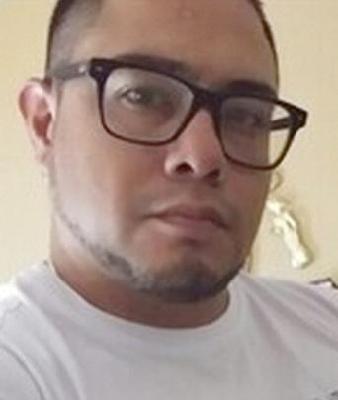
Do you know who murdered Quincy? In the early hours of June 27, 1990, Quincy Davis, a male resident of Tulsa, stood on the playground of the Seminole Hills Apartment Complex on North Trenton Avenue, talking with a small group of acquaintances while most of the neighborhood slept. It was about 1:50 a.m., the kind of quiet summer night when voices carry and every passing car is noticed.
A blue station wagon began making slow, repeated passes around the complex, its presence lingering on the edge of everyone's attention until unease settled over the gathering.
The car's circling didn't stop, and the mood on the playground shifted from casual conversation to wary glances toward the street. Witnesses later told investigators that the vehicle kept looping the area, moving around the apartments and the play area where Davis and others were clustered together. When the blue station wagon finally pulled to a stop near the playground, the sense of dread that had been building became real. Multiple figures — later described in official summaries as several subjects, and in other accounts as as many as five males — climbed out of the vehicle. There was no warning, no shouted challenge or argument. Almost immediately, gunfire erupted as the men opened fire into the crowd on the playground.
Chaos followed in seconds. People scattered from the playground, diving for cover as bullets tore through the night air. Some were hit; others ran blindly, trying to get away from the sudden barrage. Amid the confusion, Quincy Davis was struck by the gunfire. When the shooting stopped, the assailants rushed back into the blue station wagon and sped away into the darkness, leaving the wounded and terrified behind. Those who could rushed to help, while emergency services were called to the scene. Despite efforts to save him, Davis died as a result of the injuries he suffered in the attack.
In the aftermath, the playground that had been a casual meeting spot became a crime scene. Tulsa police secured the area at the Seminole Hills complex, documenting evidence and gathering shell casings while detectives began the painstaking process of interviewing witnesses who had only fleeting glimpses of the shooters and their car. Official case summaries note only that the suspects were several males who got out of a blue station wagon and fired into the group, an account echoed across later cold-case writeups. No clear description of faces, clothing, or distinguishing features has ever been made public, and there is no mention of a definitive motive in the available records.
Over time, the case was formally classified as a homicide and moved into cold-case status. In some records, the victim appears under the names Robert Davis or Robert Quincy Davis, with the same date, location, and description of events at a playground on North Trenton, underscoring how the case has been cataloged under slightly different identifiers in official and advocacy databases. Yet the core narrative remains unchanged: a group gathered late at night, a suspicious station wagon circling, five men stepping out, and a sudden hail of bullets that left Quincy Davis mortally wounded and others injured.
Decades later, the shooting that claimed his life remains unsolved. The Tulsa Police Department's cold case listings, along with nonprofit and crime-solver websites that highlight the killing, still appeal to the public for answers, inviting anyone who knows the identities of the men in the blue station wagon to come forward. Behind the brief, clinical summaries is the enduring story of a young man whose ordinary summer night with friends turned, in moments, into a fatal ambush — and of a city still waiting for someone to name the shooters who stepped out of that car and never looked back.