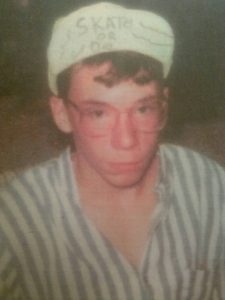
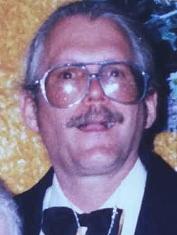
Do you know what happened to Eric? On November 9, 1993, Eric Gonzales, a male resident of Tulsa, was found dead near the railroad tracks along South Lawton Avenue, in a patch of underbrush near the 1100 block of South Lawton. The area was semi-hidden and off the main thoroughfares, the kind of place where passing trains and distant traffic masked most sounds. Whoever left him there had chosen a spot that suggested they were counting on the isolation and brush to keep his body concealed for as long as possible.
When officers and first responders reached the scene, they discovered that Eric had not simply collapsed or been struck accidentally; every detail pointed to a deliberate and brutal killing. His hands had been bound, and his body was wrapped in carpet, as if someone had tried to shroud him and drag or carry him to the underbrush by the tracks. The injuries he had suffered were extensive, with massive trauma across his body that investigators later described as a beating severe enough to cause his death. The combination of binding, wrapping, and the secluded dump site told a story of violence carried out somewhere else, followed by an attempt to hide what had been done to him.
The railroad corridor where he was found ran through an industrial and less-traveled stretch of Tulsa, offering cover for someone who wanted to move a body without attracting much attention. The carpet cocooning Eric suggested either access to a home, a building, or perhaps a worksite where such material was available, but if investigators identified where it came from, that information was never publicly shared. Official summaries simply record that he was discovered in the underbrush near the tracks along South Lawton, with his hands bound and his body wrapped, the violence he suffered summarized clinically as “massive trauma.”
From the beginning, the case fell to the Tulsa Police Department, and over time it was taken up by the department’s Cold Case Unit as the years passed without resolution. Public listings describe the homicide in stark, brief terms: the date, the location, the bound hands, the severe injuries, and the fact that he died as a result of those injuries. There is no public record of a weapon being recovered at the scene, no mention of eyewitnesses who saw Eric being placed there, and no official explanation of where the fatal assault actually occurred. The available records focus almost entirely on the discovery of his body and the condition in which it was found, underscoring how little has been released about his life, his last movements, or the people he was with before he was killed.
Decades later, Eric’s death remains on Tulsa’s rolls of unsolved homicides. His case appears on the city’s cold case lists and in homicide databases that label his manner of death as “death by force” and reiterate the same few facts about the bound hands, the carpet, and the trauma to his body. These entries continue to ask for help, urging anyone with information to contact the Tulsa Police Department Cold Case Unit. Across these official and advocacy sources, there is no indication that anyone has ever been arrested or publicly named as a suspect in connection with his killing, and no motive has been disclosed. Eric Gonzales’s murder is still an open, unresolved case, preserved in a handful of brief but haunting summaries that testify to the brutality of what was done to him and the enduring absence of answers.