On a warm June night in 2009, Alfonso Amaya, a 34-year-old Hispanic/Latino man from Tulsa, Oklahoma, found his life intersecting with a crime so violent that it would leave a lasting scar on everyone touched by it. He was at a residence in Tulsa on June 27, 2009, when a planned home invasion shattered whatever ordinary moments had filled the hours before.
In an instant, a familiar home became a battleground: doors breached, voices raised, and the sudden, terrifying presence of armed intruders turned the space into a place of fear. Amid that chaos, gunfire erupted, and Alfonso was fatally shot, his life ending in the middle of a robbery that had nothing casual or random about it.
The house the intruders chose belonged to Robert Cox, a man who would live through the attack but carry its physical and emotional damage for years afterward. According to case summaries, the three armed assailants forced their way inside, quickly taking control of the scene. They tied Cox up, stripping him of any ability to defend himself or flee, and then shot him in the jaw—a deliberate, brutal act meant to terrify and disable as much as to silence. With Cox bound and bleeding, the attackers ransacked the home, stealing what they could before fleeing into the night, leaving Alfonso mortally wounded and the house transformed from a place of safety into a crime scene. Detectives later concluded that this was not a random hit; the residence and its homeowner appeared to have been specifically targeted, with robbery as the driving motive behind the violence that claimed Alfonso’s life.
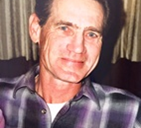
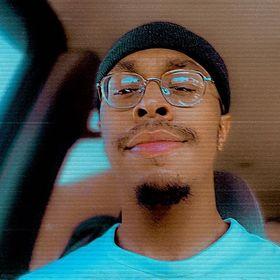
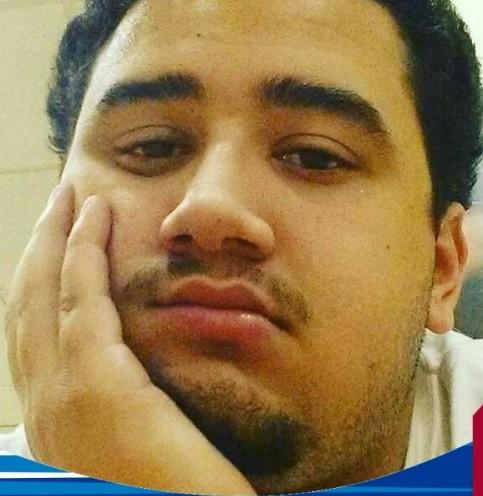
In the aftermath, Tulsa investigators worked to pull order from the chaos, following leads until three young men emerged as the central figures behind the home invasion: Brayan Salazar, Alexis Francisco Magana, and Alejandro Elizalde. These names would come to define the case as much as Alfonso’s, not as victims but as the suspected architects of the night’s terror. Case records describe them as accomplices acting together, entering Cox’s home, binding him, shooting him, and carrying out the robbery during which Alfonso was killed. The narrative that formed in the investigative files was stark: the three intruders had turned a targeted theft into a deadly assault, and Alfonso, who should have had decades of life ahead of him, became the one who did not walk out of that house alive.
Over time, public records began to reflect the consequences for at least some of the men named in connection with the crime. The Oklahoma Violent Offender Registry lists a man named Alexis Francisco Magana as a registered violent offender, with an original registration date in November 2017 and completion of a prison sentence in June 2019, followed by ongoing registration obligations extending through 2029—an official acknowledgment that he served time for serious violence in the state’s criminal justice system. Another set of records from Tulsa County shows a man named Brayan Salazar arrested on charges that read like a checklist of what happened inside Cox’s home: first-degree burglary, kidnapping, larceny of an automobile, and robbery with a firearm, all tied to serious felony conduct in Tulsa County, while a separate inmate database confirms he has been held within the Oklahoma Department of Corrections system on felony convictions. Even when the exact wording of every charge linked to Alfonso’s killing is not spelled out in publicly available summaries, the convergence of the names, the nature of the crimes, and the official note that his homicide is considered “solved” together paint a picture of a case in which the principal suspects were identified, pursued, and ultimately pulled into the machinery of the courts and the prison system.
For those who knew Alfonso, the official outcome could never fully balance the ledger. Case records now reduce his story to a few bare facts: a name, an age, a date, a city, a checkbox stating that his case is solved. Yet behind those lines lies the memory of a man whose final moments unfolded inside a home overtaken by fear, whose death was bound up with a calculated act of greed and intimidation. The three suspects left with stolen property and, for a time, their freedom, but the violence they unleashed ensured that Alfonso’s name would be preserved not in family milestones or future plans, but in homicide files and offender registries. What remains now is the lingering sense of a life cut short during a single night in Tulsa, and a community forced to remember that even when cases are closed and suspects are accounted for, the weight of a loss like Alfonso’s does not easily fade.