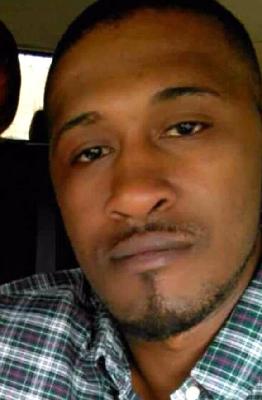
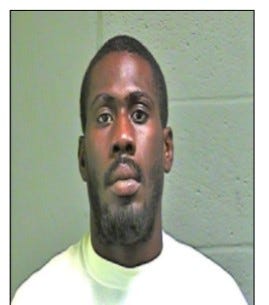
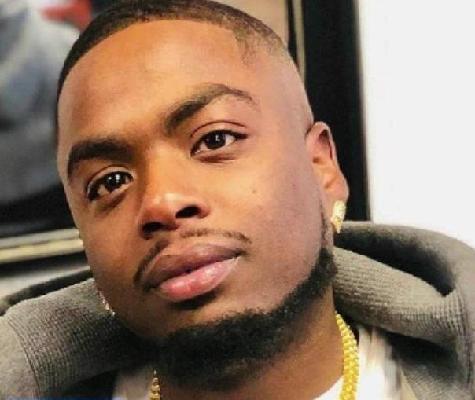
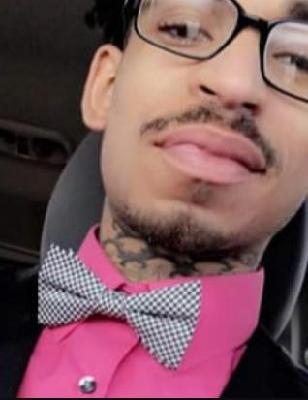
Donald Frazier, a 44-year-old Caucasian male, was found dead on April 3, 2008, in Oklahoma City, his life ending in circumstances that would almost immediately be described as a mystery that refused to yield answers. That spring day brought police to the area around a downtown shelter district, where his body was discovered and quickly recognized as the result of a violent death, classified later in public summaries as “death by force.”
The case was logged as one more act of lethal violence in the city, but even in the first brief accounts the tone carried an undercurrent of uncertainty: authorities could say that a serious crime had occurred, yet they could not say who had done it, or why.
He was not alone. Alongside him in the public record stands the name of 17-year-old Corey Douglas Benton, an Oklahoma City–area teenager whose body was found the same day near the Grace Rescue Mission, a shelter that usually symbolized refuge rather than danger. Benton had been shot multiple times, his wounds to the abdomen, thigh, and arm leaving no doubt that he had been deliberately attacked. Together, the older man and the teenager became known in local reporting as a “pair” whose deaths defied easy explanation, two lives ended within the same grim scene not far from a mission that served some of the city’s most vulnerable residents. Over time, the details that could be shared publicly remained sparse: two men, different ages and backgrounds, both dead by violence in the same place and on the same date, with no clear narrative about how they crossed paths or why they were targeted.
In the months and years that followed, investigators worked the case without producing the closure that family members and the wider community hoped for. Public summaries of the investigation emphasize what is missing rather than what is known: no clear suspect has surfaced in the record, no motive has been firmly established, and authorities have repeatedly asked anyone with information to come forward. The case has remained listed as unsolved on specialized homicide and cold-case tracking sites, where Frazier’s entry is marked by the same language of open questions and appeals for tips that surround Benton’s.
By 2018, their names had been drawn into a much larger national picture of unsolved urban killings, appearing together in a Washington Post analysis that compiled more than 26,000 homicides in major American cities that had not yet led to an arrest. In that database, the two Oklahoma City victims are presented simply as entries in a long scroll of the dead, side by side in a list of cases where no one has been charged. The image that emerges from all of these sources is of a man whose death slipped from the immediacy of local headlines into the quieter realm of unresolved tragedy: still noted in cold-case listings, still counted in national tallies of murders without arrests, his file periodically updated on advocacy sites but never transformed by the announcement of a suspect in handcuffs or a conviction in court. As of the most recent public updates, no arrests have been reported and no suspects have been named in connection with the killing of Donald Frazier, leaving his story frozen at the point where it entered the record—another violent death in Oklahoma City, officially recognized but not yet explained.