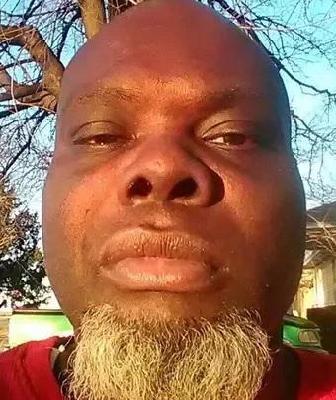
On a winter afternoon in January 2012, nineteen-year-old African-American male Keenen Banks was riding through a quiet neighborhood on Oklahoma City’s west side in a car with his friend, Quinyon Wallace. The streets along Whispering Oak Road were lined with modest homes, the kind of place where neighbors usually noticed little more than mail being delivered or children playing outside.
That day, though, it was the sound of a crashing vehicle that drew people’s attention and brought police racing to the scene.
Around midafternoon, officers were dispatched to a house on Whispering Oak Road after reports that a car had slammed into the residence. When they arrived, they found the vehicle on fire, pressed up against the home. Inside were two young men, critically injured, their bodies bearing apparent gunshot wounds. Fire and medical crews worked amid smoke and chaos to pull them from the burning car and rush them for emergency care, but despite those efforts, both Keenen and Quinyon would die from the violence they had suffered that day. What initially looked like a traffic crash quickly became a homicide investigation.
Detectives began piecing together the sequence of events: somewhere before the car struck the house, shots had been fired into the vehicle, leaving its occupants mortally wounded but still moving until the collision brought everything to a halt. Witnesses told police about another figure at the scene—a third man seen running away just after the crash, wearing an orange shirt and camouflage shorts. Officers searched the surrounding blocks and canvassed the neighborhood, hoping the description would be enough to locate him, but the man was never publicly identified, and investigators did not announce any clear suspect or motive linked to the attack on the two friends.
In the days and months that followed, Keenen’s killing became one of a troubling number of unsolved homicides in Oklahoma City from that year. Detectives continued to work leads, interviewing potential witnesses and comparing his case to other 2012 shootings, even issuing arrest warrants in some separate homicides. Yet for the deaths of Keenen and Quinyon, authorities have not named a suspect or reported any arrest, and no one has been charged with pulling the trigger that sent their car careening into a stranger’s home.
Years later, the case remains open. Public appeals have been renewed from time to time, with police and advocacy groups emphasizing that Keenen’s family is still waiting for answers and urging anyone with information—no matter how small it might seem—to come forward. His name now appears on lists and memorial pages devoted to Oklahoma City’s unsolved homicides, a reminder of a brief, violent moment on a residential street when a teenage life was cut short and justice never quite found its way to the people who loved him.