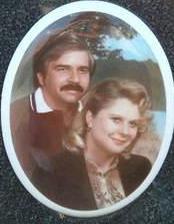
Donte Deshawn McCarther was a 21-year-old Black/African American man from Oklahoma City whose life ended suddenly on January 17, 2012, in the breezeway of a northwest-side apartment complex. That Tuesday, after reports of gunfire at an address along North Council Road, officers arrived to find him lying near the entrance of the complex, already dead, his body discovered in the narrow space where residents passed every day.
Public records later fixed the date he was found and the date he died as the same day, marking the moment his case shifted instantly from everyday life to homicide file.
The hours around his death were marked by confusion and panic among people living nearby. A woman inside one of the apartments told police she had been sitting in her living room when three sharp gunshots cut through the usual sounds of the complex. She went to her window and saw two people quickly getting into a car parked outside; for a brief second, they looked up toward her before the vehicle pulled away. Shaken, she picked up the phone and called 911. When officers reached the apartment complex at 1411 North Council Road, they followed the trail of those reports to the breezeway, where they found Donte’s body in front of the apartments, the scene illuminated by emergency lights and the glow of stairwell fixtures.
In the immediate aftermath, detectives had little to work with beyond the woman’s description of the car and the knowledge that at least two people had fled the scene. Early coverage of the case emphasized that there were no named suspects and that police were publicly asking for help from anyone who might have seen or heard something that night. The address along North Council Road became a point on the map for yet another unsolved killing in the city, and investigators urged anyone with information to call the homicide tip line, signaling that they were starting from fragments: gunshots in the dark, a fleeting glimpse of faces, and a car disappearing into the night.
As the weeks passed, those fragments began to take shape. On January 26, 2012, just over a week after the shooting, police announced they had made an arrest in Donte’s killing. They identified Brandon Dawson as a suspect and indicated that officers believed he was involved in the shooting outside the apartment complex near Council Road and Northwest 13th Street, the same general area where Donte had been found dead. Yet even with Dawson in custody, detectives were clear that the investigation was not over; they publicly stated that Dawson might not have acted alone and that they were still looking for additional suspects connected to the crime. The suggestion of accomplices left open the possibility of a larger plan or group behind the violence rather than a single impulsive act.
Another break came later that winter. In early March 2012, Oklahoma City police reported a second key arrest in connection with the case. Officers on patrol spotted a vehicle near Southwest 29th Street and Indiana Avenue that matched the description given by the witness who had watched two people climb into a car immediately after the gunfire. They pulled the car over and identified the driver as Larry Clayborn. Investigators said the vehicle was the same one they had been actively searching for since Donte’s death, and Clayborn was taken into custody and held in the Oklahoma County Jail in connection with the slaying. The account of the traffic stop tied the woman’s brief, frightened observation at her window to a concrete lead: a car, a driver, and a direct line back to the shots fired at the apartment complex weeks earlier.
Later case summaries would categorize Donte’s killing as part of a drug-related shooting, implying that detectives ultimately believed the violence grew out of the drug trade, even though early news reports focused more on the scene itself, the witness, and the slow, methodical search for the people in that car. Publicly available records now list his case as “solved” and in litigation, reflecting the fact that arrests were made and that the homicide moved into the court system, though open sources do not clearly lay out the final legal outcome for the men arrested in connection with his death. What emerges from the surviving coverage is a portrait of a young man whose final moments unfolded in the liminal space of an apartment breezeway, and of an investigation that gradually turned anonymous figures glimpsed in the dark into named suspects, while leaving lingering questions about exactly how many people were involved and what justice ultimately looked like for Donte’s family.