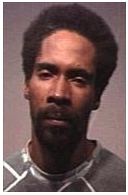
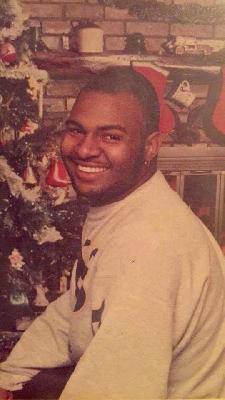
In the early hours of March 23, 2016, 20-year-old Austin Edmondson, a male whose case records list his race as “Other,” slept in his south Tulsa apartment while his pregnant girlfriend rested beside him. Their home at the Villas on Yorktown, near Interstate 44 and Lewis, was an ordinary place for a young couple trying to build a future, with a baby on the way and a tight-knit west Tulsa community around them.
Around 4:30 to 4:45 that morning, the quiet was shattered.
According to investigators, multiple men forced their way through the front door of the apartment, turning the small home into the center of a sudden, violent confrontation. Startled awake, Edmondson armed himself and stepped from his bedroom to face at least one intruder who was also carrying a gun. In the cramped space of the apartment, the two exchanged a barrage of shots, the kind of close-quarters gunfire that neighbors later described as a rapid series of explosive cracks in the dark.
When officers and medical crews arrived, they found Edmondson mortally wounded inside. He was pronounced dead at the scene, while one of the intruders lay critically injured from the gunfight that Edmondson had managed to fight back. Police later identified that wounded man as Dalvin Miller, who had been struck during the exchange of fire and was rushed to the hospital. By midafternoon the same day, Miller, identified by detectives as the primary suspect in the home invasion, also died from his injuries, turning the case into a double fatal shooting born from a single violent break-in.
From the outset, detectives treated the shooting as a home invasion robbery. Witness accounts and early investigative work suggested that there had been three men involved in the break-in, not just the one who died after the gunfight. Edmondson’s girlfriend, who was in the apartment but physically unharmed, told authorities that the men burst in while the couple slept, and that chaos followed as Edmondson tried to defend them. Police canvassed the complex, interviewed neighbors who had heard the shots and seen figures running, and worked to piece together how the intruders had chosen that apartment and why the confrontation had escalated so quickly.
In the days that followed, the narrative that emerged was stark: one young father-to-be dead in his own home, one suspected intruder dead after trying to force his way in, and other men believed to have been involved vanishing into the night. Early reports spoke of at least one additional suspect fleeing the scene, and later coverage by local news emphasized that investigators believed two accomplices had gotten away and that they still needed more evidence before they could file charges. Years later, case summaries and public appeals continued to describe those additional suspects as fugitives from accountability, with no public record that they had been identified, arrested, or brought before a court for their role in the crime.
For Edmondson’s family, the investigation’s slow progress turned grief into a long, unresolved vigil. His mother Holly, who described him as her only child, spoke publicly about the weight of losing a son in such a sudden, violent way and about her determination to see everyone involved held responsible. Nearly a year after the shooting, family and friends gathered at Reed Park in west Tulsa, carrying flashlights to “light up the sky” in his memory and to remind the city that the case was not over simply because one suspect had died. At the same time, a funeral fund formed online to help cover expenses described how he had a baby on the way, a grandmother battling serious illness, and a westside community devastated by his death.
The child who would never meet his father became a powerful symbol for those left behind. Family members spoke of “baby Austin,” named after the father he would know only through stories and photographs, as a reason to keep going and a living reminder of what had been taken from them. Police continued to encourage anyone with information about the other men involved to contact Crime Stoppers, while the case itself drew enough attention to be highlighted in true-crime coverage, including an episode of the investigative series “The First 48,” which revisited the events at the Villas on Yorktown and the unanswered questions that remained.
As years passed, digital memorials, candles, and tributes accumulated online—photos of Edmondson, recollections of his ties to Webster High School, and messages from friends and relatives who wrote about an ordinary young man caught in an extraordinary burst of violence. Behind every update about suspects still at large or evidence still needed, his story remained anchored in that single early morning: a door forced open, a young man waking up to defend his home and family, and a community left to grapple with the lingering absence and the unfinished work of justice.