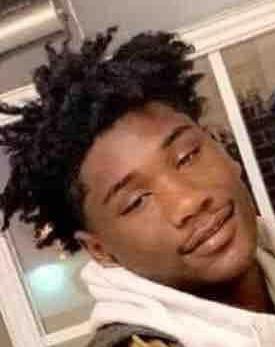
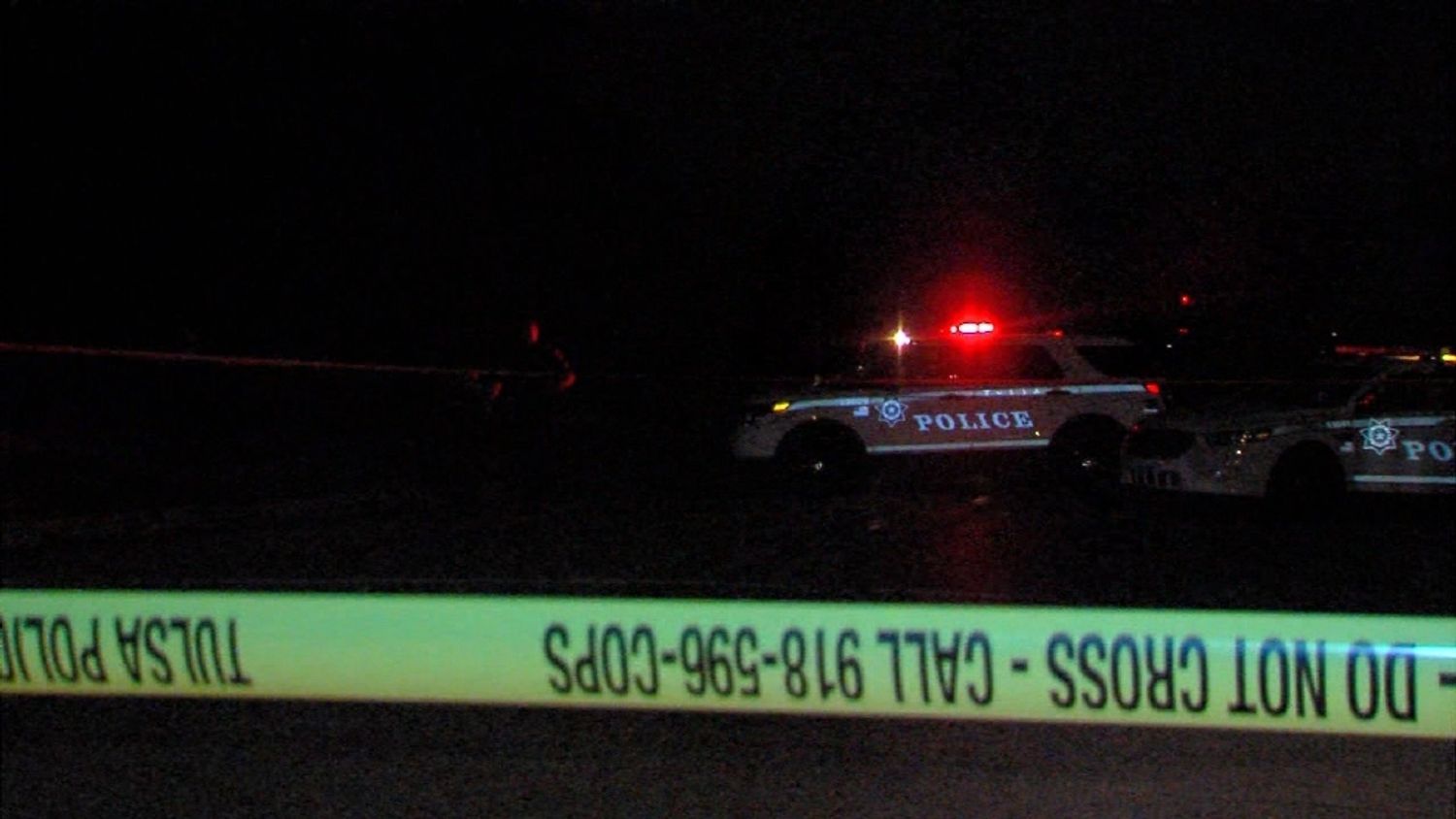
Adam Duran, a 23-year-old Hispanic/Latino man, was nearing the end of a long night's work at Bienvenidos Bar 7 De Copas in north Tulsa when Sunday slipped into the early minutes of October 10, 2016. Known to friends and patrons as both Adam Duran and Adam Olmos, and spelled “Adan” in some reports, he helped manage the small neighborhood bar near North Lewis Avenue and East Haskell Place, the kind of place where regulars gathered late, talking over drinks while the rest of the city quieted
down.
In those early-morning hours, another manager, Saira Mariosol Vasquez, was working alongside him as the last patrons lingered. Not long after 1 a.m., the calm inside the bar broke. Gunfire erupted, and by the time police and first responders arrived, both Duran and Vasquez lay dead from multiple gunshot wounds inside the building, their lives cut short in the same burst of violence. The double killing stunned the tight-knit circle of employees and customers who knew them, and it quickly became one of several homicides that marked a violent stretch for Tulsa that year.
In the hours and days that followed, detectives tried to untangle what had led to the shooting. Early speculation, captured in later case summaries, suggested two possible paths: that Duran might have been the target of a drug-related hit, or that an argument inside the bar had spiraled into deadly confrontation. Those theories spoke to the uncertainty of an investigation still in its first stages, when witnesses were shaken, rumors were fresh, and the outlines of the story had not yet settled into a clear narrative.
As investigators gathered statements and reviewed evidence, a more focused account took shape. Police came to believe that a man had been inside the bar for several hours that night, drinking and watching the bartender, hoping to leave with her when the evening ended. According to reports, the bartender showed no interest, and the atmosphere shifted from casual to uncomfortable. Eventually, Duran and Vasquez stepped in and told the man it was time to leave, a simple act of enforcing the bar's boundaries that, according to detectives, became the turning point of the night.
What happened next, as described by police, was chillingly methodical. The man walked out to a waiting vehicle, retrieved a pistol, then returned to confront the two managers. Inside the bar where they had spent countless nights keeping order and looking after patrons, he opened fire, shooting them multiple times before fleeing into the darkness. The bartender, who had been the focus of his unwanted attention, hid and survived, later providing crucial details to investigators. The killings were later counted among Tulsa's 56th and 57th homicides of 2016, a stark statistic that underscored how quickly a familiar workplace had become a crime scene.
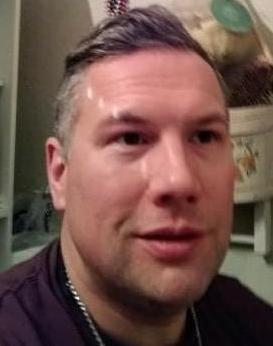
Months passed before the investigation reached a public turning point. In January 2017, Tulsa police announced that an arrest warrant had been issued for a suspect: a man named Rigoberto Pureco, accused in court documents of shooting and killing Duran and Vasquez after they ordered him out of the bar. Prosecutors charged him in absentia with two counts of first-degree murder, and his name and photograph were released as authorities appealed to the public for help. Police said Pureco had spent hours at the bar before the shooting and, after the attack, vanished so completely that investigators feared he might have left the area altogether, possibly heading toward Mexico.
Despite the warrant, the case did not resolve with the satisfying finality of an arrest. Years later, detailed case summaries still describe Pureco as wanted, noting that he remains at large and urging anyone with information to contact Crime Stoppers or the Tulsa Police Department's homicide tip line. No public record shows that he has been taken into custody for the bar killings, leaving the double murder officially open even as time moves on.
For those who knew Duran, the story did not end with the issuing of a warrant or the closing of a file drawer. His name appears on national gun-violence memorial pages listing the people killed with firearms on October 10, 2016, a simple entry alongside a small cluster of digital candles and a note that he was also known as Adam Olmos. In that sparse online space and in the longer narrative built by later case write-ups, he is remembered as a working manager in a neighborhood bar who never came home from his shift, a life folded into the long unresolved shadow of a suspect still missing and a corner of north Tulsa that will always be tied to the night he died.