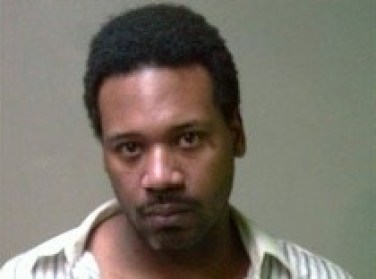
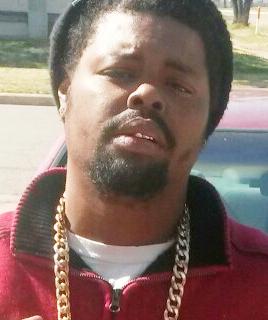
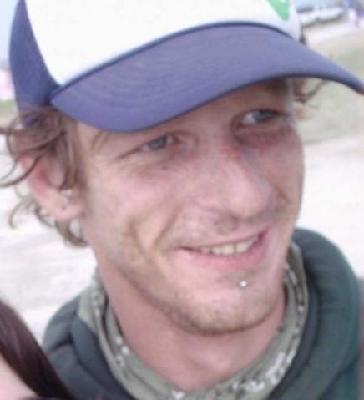
James Paulk was a 41-year-old white male from Oklahoma City, Oklahoma, whose life was cut short on January 20, 2017. In the dark, early hours of that winter morning, a shots-fired call came in to police dispatch, summoning officers to yet another report of gunfire in the city. Around 5:41 a.m., patrol units were sent racing toward the scene; by the time the echoes of the shots faded, James had been struck by bullets and left critically wounded.
The violence unfolded and ended in a narrow window of time, with his death recorded on the same date that the gunfire first shattered the quiet.
The officers who arrived, followed by medical crews, moved quickly to secure the area and tend to James, but the damage from the shooting was irreversible. Official records now reduce his final moments to a handful of stark phrases: “death by force,” “shot,” the city name, the date. What began as a routine dispatch entry—shots fired in the pre-dawn dark—became a homicide file, one more folder in a stack of cases where someone’s life ended violently and without warning. The specific place in Oklahoma City where his body was found, and the details of what he had been doing in the minutes before the attack, are left unspoken in the public record, making the circumstances feel all the more abrupt and faceless.
In the months that followed, the loss of James did not disappear entirely into silence. Local newspaper coverage framed the story of his killing through the eyes of a grieving father, a headline describing a man in Oklahoma City still seeking justice for his slain son. That glimpse suggests a family trying to navigate both heartbreak and uncertainty, pushing for answers as days turned into weeks and still no clear narrative emerged about who had opened fire or why. Outside of that, James is remembered in short entries on homicide and cold-case databases, where his name, age, and the bare facts of his death stand in for the rich, complicated life that preceded those final minutes.
The case summaries devoted to him are notably sparse. They list his vital details, the city and state, the date he was found and the date he died, and they reiterate only that he was shot when officers responded to a shots-fired call in the early morning. There is no publicly shared description of a suspect, no account of a vehicle speeding away, no outline of a dispute that might have flared into violence. Instead, the entry carries a small but telling plea: a request for anyone with information or corrections to come forward, an open invitation to help fill in the many blanks that still surround his final hours.
As of the most recent updates to those records, James Paulk’s homicide appears to remain without a publicly identified suspect or reported arrest. His name sits on a site devoted to missing persons and unsolved homicides in Oklahoma, and his individual page still asks for updates on the case, signaling that, at least in the public view, the person or people responsible have not been brought to justice. What endures instead is the outline of a story: a man in his early forties cut down by gunfire before dawn, a family left to search for answers, and a city where his death lingers in databases and headlines, waiting for someone to step forward with the piece of information that might finally explain what happened that January morning.