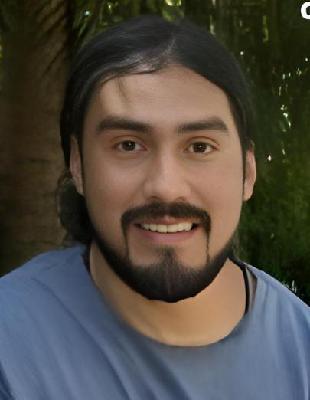
On May 4, 2008, Gerald Jones, age 47, was shot and killed in Oakland, California. His death occurred in an area that has long been plagued by violence, particularly in East and West Oakland, which accounted for a significant portion of the city's homicides. Oakland has struggled with high homicide rates over the years, with most of the incidents occurring in concentrated areas often referred to as the "100 blocks," which see a majority of the violent activity. These neighborhoods have been the focal point of repeated efforts to curb gun violence, but with limited success.
On the night of May 4th, Jones became one of the victims of this systemic violence. While specific details about the circumstances of his death were not extensively reported, it reflects the larger issue of pervasive violence in Oakland during that time. In 2008, the city recorded 115 homicides, which was part of an ongoing trend of high homicide rates that year. Community-based initiatives like Ceasefire and other intervention programs were being implemented in the city, but they were often stymied by conflicting policy goals, limited funding, and trust issues between law enforcement and community members. Despite these efforts, the challenges faced by Oakland to effectively address gun violence persisted, and Gerald Jones's death remains emblematic of those unresolved issues.
The city's leadership has continued to push for comprehensive safety plans and community engagement in an attempt to reduce crime and support neighborhoods affected by violence. However, the enduring problems, such as lack of trust in law enforcement and the availability of illegal firearms, have continued to impact the effectiveness of these interventions. Gerald Jones's tragic death serves as a reminder of the ongoing struggle for safety in Oakland's hardest-hit communities.