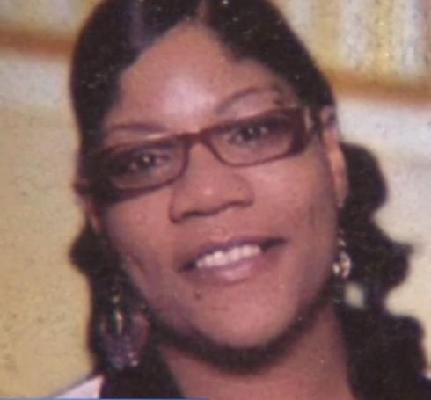
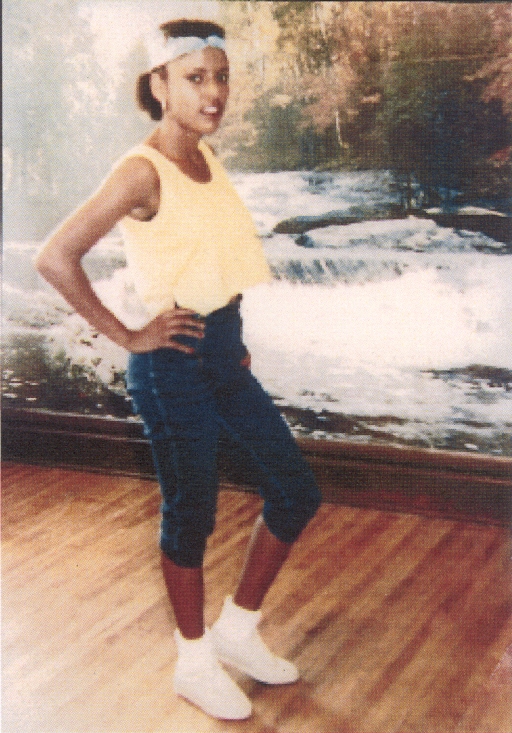
Wanda Whigham, a 35-year-old White woman, was found dead on August 5, 1987, inside an apartment at 2447 W. Broad Street in Columbus, Ohio. She was discovered at the scene with what authorities described as bodily wounds and was pronounced dead on arrival. Marvin Swackhammer was also found dead in the apartment. The Franklin County deaths became intertwined from the beginning, with investigators treating what happened inside the residence as a double homicide.
The circumstances suggested that the violence had occurred well before the bodies were discovered. The coroner estimated that Whigham and Swackhammer had been dead for approximately 24 to 36 hours by the evening of August 5. Neighbor Steve Moore told investigators that he had heard a loud thump from the adjoining apartment during the early morning hours around the time of the killings. At trial, he recalled hearing several thumps, including one particularly loud impact, early on August 4. His mother, Betty Moore, also testified that at approximately 3:30 that morning she heard things hitting the floor and something striking the wall in the neighboring apartment. She said she had last seen Whigham and Swackhammer alive on the evening of August 3.
Their landlord, Fred Maloof, had also seen the pair during the afternoon of August 3 when he stopped by regarding their rent. When he returned on August 5, he noticed that a window in the apartment door was broken. Maloof reached through the opening, unlocked the deadbolt and entered. He saw a person lying on the floor and initially thought the person was asleep, but he also noticed an odor inside the apartment. After Betty Moore later contacted him about the odor, Maloof advised her to call police, leading to the discovery of both bodies.
Investigators collected evidence from the apartment, including fingerprints and palm prints, and their attention turned to Eddie Lee Johnson, a man who was known to have visited Whigham and Swackhammer's apartment. Johnson was taken into custody and questioned. He denied killing either victim, but he acknowledged that he had been inside the apartment during the period covered by the investigation. At his eventual trial, Johnson testified that he had been there during the early morning hours of August 3 and described an altercation involving both victims.
According to Johnson's version of events, he and Whigham were engaged in a sexual encounter when Swackhammer approached him from behind. Johnson said he believed Swackhammer was about to do something to him, so he struck him with the back of his hand. Johnson testified that Swackhammer spun around, stumbled while attempting to grab a chair and fell near a window. He said Whigham then became angry, jumped onto his back, scratched him and struck him, prompting him to hit her as well. She fell to the floor. Johnson maintained that he later helped Whigham up, attempted to apologize and was ordered out of the apartment. He insisted that both Whigham and Swackhammer were still alive when he departed.
The prosecution also introduced testimony concerning an earlier incident involving Swackhammer. Detectives said Swackhammer had been treated at Mount Carmel West Hospital in June 1987 after being struck in the head with a motorcycle helmet. Witness testimony presented at Johnson's trial accused Johnson of committing that earlier assault, but the evidence connecting him to it became a major issue on appeal. The appellate court later determined that much of the testimony about the helmet incident consisted of improper hearsay and that prosecutors had not produced sufficient admissible evidence establishing Johnson as the person responsible for that earlier attack.
Johnson nevertheless was convicted at his first trial. Jurors were instructed on aggravated burglary, aggravated murder, murder and involuntary manslaughter. They found him guilty of murdering Swackhammer and guilty of involuntary manslaughter in Whigham's death, while finding him not guilty of aggravated burglary. For Swackhammer's murder, Johnson received a sentence of 15 years to life. For Whigham's death, he received an additional term of 10 to 20 years, with the sentences ordered to run consecutively. The jury's verdict concerning Whigham was based on the theory that her death occurred as a proximate result of the felony involving Swackhammer.
That conviction did not survive appellate review. On August 7, 1990, the Ohio Court of Appeals concluded that Johnson's trial had been seriously compromised by improperly admitted evidence concerning alleged prior misconduct. The court found that testimony about the earlier motorcycle-helmet assault and other prior acts created a substantial danger that jurors would judge Johnson on allegations about his character rather than solely on admissible evidence concerning the deaths. The appellate judges specifically noted the limited amount of evidence identifying Johnson as the perpetrator and said the prejudicial material could have influenced the verdict.
The appellate court also determined that Johnson had received ineffective assistance of counsel. His attorney had failed repeatedly to object to inadmissible hearsay and prior-acts evidence and, at times, introduced damaging information himself. The court found those failures serious enough that it could not reliably conclude Johnson had received a fair trial. His convictions were reversed, and the case was sent back to the trial court for a new trial.
Despite the original arrest, prosecution and guilty verdict, Whigham's death is currently listed by the Ohio Attorney General as an unsolved homicide under Columbus Police Department case number 944. The state cold-case record continues to identify the August 5, 1987 killing at 2447 W. Broad Street as unresolved, meaning the reversed conviction did not produce a final judicial resolution of her homicide.