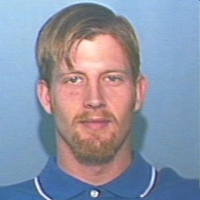
A young White/Caucasian male named Rex Cherry, aged 24, died on May 7, 2010, from injuries he sustained in a violent altercation eight days earlier. The incident that led to his death occurred on April 29, 2010, at a Shell gas station located on East Hudson Street in Columbus, Ohio. The confrontation involved Cherry, another man named Larry Mabry, and a group of four other individuals. During the brawl, both Cherry and Mabry suffered blunt force trauma injuries.
They were both transported to local hospitals for treatment, but Cherry ultimately succumbed to his wounds.
The initial investigation into the fight did not immediately result in any charges being filed against the individuals involved, who were questioned by police. For years, the case remained unresolved. However, the Columbus Police Department's Cold Case Unit revisited the investigation and uncovered new evidence. This led to a significant development in February 2016, nearly six years after Cherry's death. Following a re-examination of the case and further interviews with the four other men present during the fight and their legal representatives, investigators came to a new conclusion about the events of that day.
Based on the new evidence, authorities determined that Rex Cherry and Larry Mabry had been the aggressors in the conflict and that the other four individuals had acted in self-defense. Consequently, no charges were brought against them. Instead, a grand jury indicted Larry Mabry, who was 28 years old at the time of the indictment, on charges of murder, attempted murder, and two counts of felonious assault. He was subsequently arrested by the Columbus SWAT team. The charges against Mabry were intended to hold him accountable for his role in initiating the altercation that ultimately led to Rex Cherry's death. The case highlights the complexities of determining fault in a violent encounter and the dedication of cold case detectives in pursuing justice long after a crime has been committed.