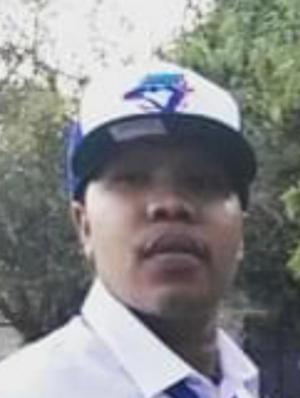
A fall evening in Boston’s South End turned tragic on Sunday, October 3, 1971, ending the life of a young man named Jesse Sowell. At just 25 years old, Jesse became one of dozens of homicide victims in a year marked by violence in the city. His death is a cold case that has remained unsolved for more than half a century, leaving a painful void and unanswered questions.
That night, Boston Police officers were dispatched to 213 West Canton Street following a report of a stabbing. The address, a residential brick row house typical of the historic neighborhood, became a crime scene. Inside, they found Jesse Sowell. He had been fatally wounded and was pronounced deceased at the scene. The Office of the Chief Medical Examiner later conducted an autopsy and officially ruled the manner of death a homicide.
The investigation into Jesse’s murder was launched by the Boston Police Department.
In 1971, forensic science was not what it is today; DNA testing was decades away, and investigators relied heavily on witness testimony and physical evidence that was often difficult to process. Detectives would have canvassed the neighborhood, interviewing residents of West Canton Street and the surrounding area, hoping to find someone who saw or heard something unusual that evening. They would have looked into Jesse’s life, trying to piece together his final hours and uncover any potential motive for the violent attack.
Despite their efforts, the case grew cold. No suspects were publicly identified, and no arrests were ever made. Over the years, the file on Jesse Sowell’s murder has remained open but inactive, one of many unsolved cases from a turbulent era in the city’s history. The official record offers no information about Jesse’s life—where he was from, what he did for work, or who his family and friends were. He exists now only as a name on a list of unsolved homicides, a quarter-century of life cut short by an unknown assailant for an unknown reason.
The South End in the early 1970s was a neighborhood of immense change and social friction, a landscape of elegant but often neglected Victorian buildings, rooming houses, and a diverse, transient population. This environment could make homicide investigations particularly challenging, as potential witnesses might be hesitant to come forward or could have moved on without a trace.
Decades later, the Boston Police Department still lists Jesse Sowell’s case on its roster of unsolved homicides. The hope is that someone, somewhere, holds a piece of information that could finally provide a breakthrough. Allegiances change, and a person who was once afraid to speak may now be willing to come forward with what they know about the stabbing at 213 West Canton Street. Without new leads, Jesse’s case remains a quiet but persistent tragedy, a reminder of a life taken and a justice long delayed. The Boston Police Department urges anyone with information to contact the Cold Case Unit.