On August 15, 1990, the body of 26-year-old Tracey Wooten was discovered in an area north of Commencement Bay in Tacoma, Washington. Her death was quickly determined to be a homicide, launching an investigation that has now spanned more than three decades without resolution. The discovery marked the end of a young life and the beginning of a long and painful search for answers for her family and community.
Tracey’s case emerged during a deeply troubled time in the Puget Sound region. In the years following the official end of the Green River Killer’s spree in 1984, the bodies of dozens of women continued to be found discarded across King, Pierce, and Snohomish counties. Many of these victims were young women living on the margins, whose deaths bore a disturbing resemblance to those of the Green River victims. In November 1991, The Seattle Times published a comprehensive report on the crisis, listing forty unsolved homicides from this period. Tracey Wooten was among them.
The article noted that she was an alleged prostitute, a detail that highlighted the vulnerability she faced.
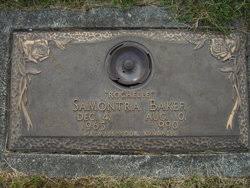
Just two days before Tracey was found, the body of another Tacoma woman, 24-year-old Samontra Baker, was discovered in a vacant lot. She had been stabbed to death. The proximity in time and location of the two murders raised immediate concerns, though authorities have never publicly stated if they believe the cases are connected. Both women were part of a string of violent deaths that left communities on edge and law enforcement struggling to identify suspects.
The investigation into Tracey's murder was handled by authorities in Pierce County. However, from the outset, the case was challenging, with limited public information released about potential suspects or evidence recovered from the scene. The cause of her death has not been widely publicized, leaving many of the specific details of her final moments known only to investigators. Her case, like many others from that era, was complicated by the transient nature of many of the victims and the lack of advanced forensic technology, such as widespread DNA databases, that are available to detectives today.
Over the years, Tracey’s case has grown cold, one of many unsolved files from a dark chapter in Washington’s history. The 1991 Seattle Times article remains one of the few public records of her death, a brief and haunting entry in a long list of tragedies. There is no publicly available information indicating whether her case has been re-examined with modern forensic techniques or if any new leads have emerged since the initial investigation.
For the families of these victims, the passage of time does not heal the wound of an unsolved murder. Each anniversary is a reminder that a killer was never brought to justice and that a loved one’s story remains unfinished. The lack of resolution leaves a void filled with unanswered questions and the lingering hope that someone, somewhere, knows something that could finally provide a breakthrough. As of late 2023, the homicide of Tracey Wooten remains an open and unsolved case with the Tacoma Police Department, a silent testament to a life cut short and a mystery that endures.