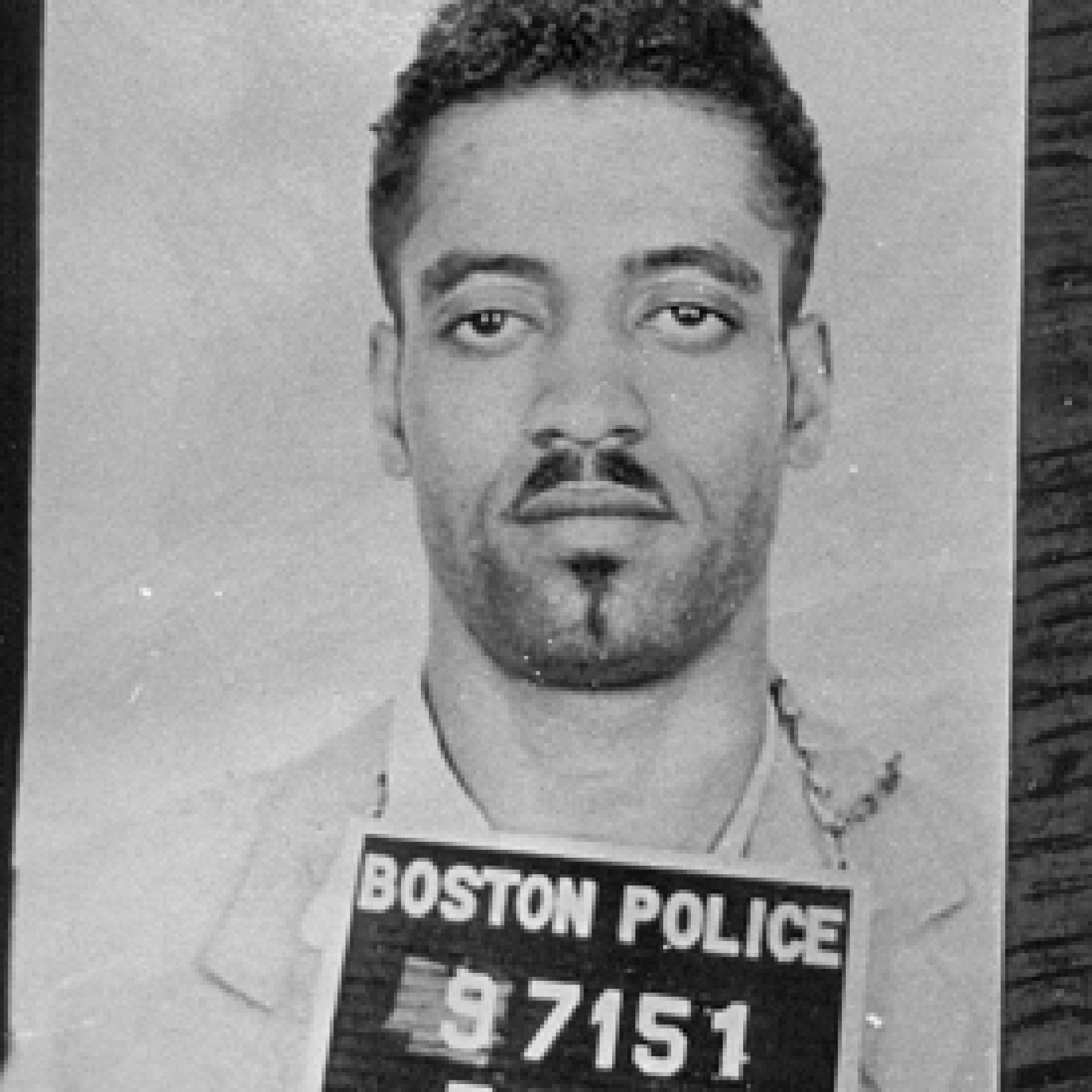
In the summer of 1974, the city of Boston was a crucible of social and racial tension, and nowhere was the pressure more intense than in the proud, insular neighborhood of South Boston. It was a community on edge, bracing for the court-ordered school desegregation and busing that would begin in September. The streets, once defined by tight-knit, blue-collar Irish-American families, were now the scene of angry protests and simmering violence. This was the world that 37-year-old Gerald Russell and 27-year-old Geraldine Bonnell inhabited, a world that would prove fatal for them both on a Tuesday evening in July.
On July 23, 1974, violence erupted inside the Diamond Jim Café, a local tavern located at 354 Broadway, a main thoroughfare running through the heart of South Boston. Boston Police officers responded to a report of a person shot and arrived to a chaotic scene. Inside the cafe, they found Gerald Russell, a male, and Geraldine Bonnell. Both had been shot.
Gerald was pronounced deceased at the scene, and though the specific details of Geraldine's death were not publicly released, she too was fatally wounded in the same incident. The Office of the Chief Medical Examiner later officially ruled both deaths as homicides.
The double murder at the Diamond Jim Café became another grim statistic in a city grappling with turmoil. The summer of 1974 was a prelude to one of the most turbulent periods in Boston's history. South Boston was the epicenter of the anti-busing movement, and the atmosphere was charged with hostility and fear. Beyond the civic strife, the neighborhood was also a known territory for powerful organized crime figures, including James "Whitey" Bulger, whose Winter Hill Gang was cementing its control over the city's underworld. Barroom violence and unsolved murders were not uncommon in this era, often leaving investigators with few leads and a community bound by a code of silence.
The investigation into the murders of Gerald Russell and Geraldine Bonnell was opened by the Boston Police Department. Detectives would have faced the difficult task of canvassing for witnesses in a neighborhood deeply distrustful of outsiders and authority. The specific motives for the shooting, whether it was a personal dispute, a robbery gone wrong, or something connected to the wider criminal landscape of the time, have never been publicly identified. No suspects were ever named, and no arrests were ever made. The trail for investigators eventually went cold.
Decades have passed since that violent night on Broadway. The Diamond Jim Café is long gone, and the South Boston neighborhood has undergone significant changes. Yet, the passage of time has not brought answers or justice for Gerald Russell and Geraldine Bonnell. Their lives were cut short in a flash of violence, leaving behind questions that have echoed for nearly half a century. Their names are now etched on the Boston Police Department's list of unsolved homicides from 1974, a year marked by profound social upheaval and violence in the city.
The case of Gerald Russell and Geraldine Bonnell remains an open and active investigation within the Boston Police Department's Unsolved Homicide Unit. As of today, the files remain open, waiting for a new piece of information that could finally shed light on what happened inside the Diamond Jim Café. Detectives believe that even after all these years, someone in the community may hold the key to solving this decades-old double murder. The department continues to urge anyone with information, no matter how insignificant it may seem, to come forward.