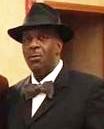
The first day of March 1974 brought a cold, final end to the life of Wesley Aresy, a 55-year-old man in Boston’s Roxbury neighborhood. For more than half a century, he had navigated the world, accumulating experiences, relationships, and memories that were known only to those close to him. Who he was as a person—his work, his passions, his family ties, the sound of his voice—has faded from the public record, eclipsed by the brutal manner of his death. What remains is the stark, official account of a life violently taken and a case that has remained unsolved for decades, a quiet but persistent entry in the city’s ledger of unresolved sorrow.
On that Friday, the Boston Police Department received a call reporting a person shot at 756 Dudley Street. The address was in a busy part of Roxbury, a neighborhood that in the mid-1970s was grappling with profound social and economic change. Officers arrived at the scene to find Wesley Aresy suffering from a fatal gunshot wound.
He was pronounced deceased, and the city’s Office of the Chief Medical Examiner would later officially rule his death a homicide. The event marked the start of a police investigation, one that would collect initial evidence and witness statements, but would ultimately stall, leaving a permanent question mark hanging over the day’s violent events.
The investigation into who killed Wesley Aresy and why has been the work of the Boston Police Department’s Homicide Unit. In 1974, detectives worked without the forensic tools that are now standard in murder inquiries. DNA analysis was not yet a part of police work, and the vast networks of surveillance cameras that now capture movement on city streets were nonexistent. Investigators would have relied on traditional methods: canvassing the neighborhood, interviewing potential witnesses, and chasing down leads that came from the community. In this case, for reasons lost to time, the trail went cold. No suspect was publicly identified, and no arrest was ever made.
Over the years, the city has changed, and the faces at the Boston Police Department have changed with it. Yet, Wesley’s case file remains open. It is a silent testament to a life cut short and a crime that has gone unpunished. His name is listed on the department's roster of unsolved homicides from 1974, a year that saw dozens of other families in the city suffer similar, unresolved losses. Each name represents a story interrupted and a network of loved ones left to wonder what happened and who was responsible. Without an obituary or public remembrances, the personal impact of Wesley's murder can only be imagined—the shock, the grief, and the lingering pain of having no answers.
Decades have passed since Wesley Aresy was killed. Witnesses may have moved away or passed on, memories may have faded, and the physical landscape of Dudley Street may have transformed. But the possibility remains that someone, somewhere, holds a piece of information that could finally bring clarity to the events of that day. A seemingly small detail, a conversation overheard, or a pang of conscience could be all it takes to push the case forward.
As of today, the murder of Wesley Aresy remains an open and active investigation in the cold case files of the Boston Police Department. The department continues to seek information from the public, emphasizing that the passage of time does not diminish the need for justice. Anyone with information about the homicide of Wesley Aresy is urged to contact the Boston Police Department's Homicide Unit.