Crime Solvers Central
302 Cases Solved. Advancing justice for missing persons, unsolved homicides, unidentified and unclaimed remains.

Case Description

Any updates on this case? Let us know!
Summary based on 1 source
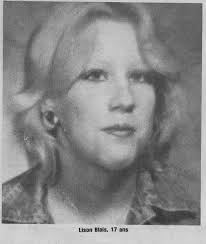
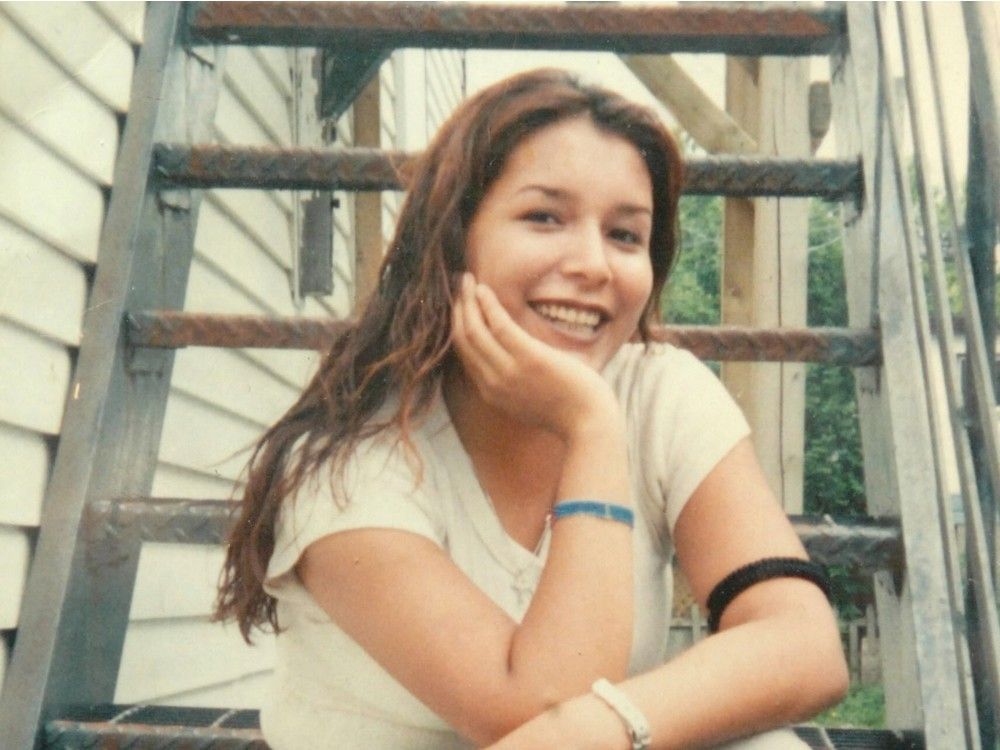
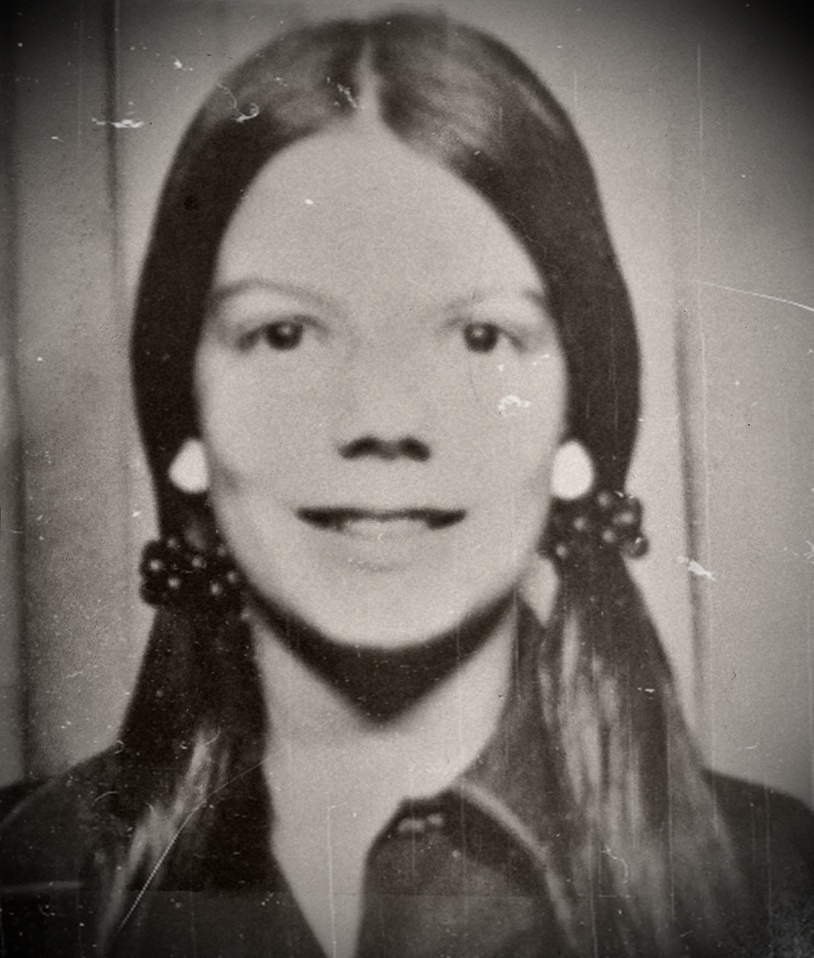
On the evening of Saturday, April 21, 1979, Diane Larose, a female resident of Montreal, walked out of her home on Lasalle Boulevard in the borough of Verdun. It was around 9:30 p.m. when she left, telling her boyfriend she was taking a taxi. Where she was going and who she intended to meet remains a mystery. That brief statement to her boyfriend is the last known communication from her. For two months, her absence was a silent question, until her disappearance was officially reported to the police on June 19, 1979. The reasons for this delay in reporting have never been publicly clarified, adding another layer of complexity to the investigation that would soon follow.

The search for Diane ended in tragedy just six days later. On June 25, 1979, her body was discovered in a remote area near Montée des Sauvages in Prévost, a community nestled in the lower Laurentians about an hour's drive north of Montreal. The quiet, wooded landscape stood in stark contrast to the violence of her death. Investigators from the Sûreté du Québec, the provincial police force, were called to the scene and immediately determined that she had been the victim of a homicide. The discovery of her remains, far from her Verdun home, launched a murder investigation that has now spanned more than four decades.

As detectives began to piece together Diane’s life and final movements, a chilling theory emerged that placed her at the dangerous periphery of Montreal’s organized crime scene. According to a newspaper report in the fall of 1979, investigators believed Diane was an acquaintance of the infamous, and by then deceased, gangster Richard "Le Chat" Blass. Blass, a notorious hitman and bank robber, had been killed by police in a chalet hideout in 1975 after a career marked by spectacular escapes and brutal violence. He was a legendary figure in the city's underworld, known for his war with the Cotroni crime family. The police theory suggested that Diane was killed by a group of Blass's former associates from the west end of Montreal. The motive, it was believed, was simple and ruthless: they were afraid she knew too much and were determined to silence her before she could talk to authorities.

This potential connection to the legacy of one of Quebec’s most feared criminals cast a dark shadow over the case. It suggested that Diane’s murder was not a random act but a calculated execution. Despite this compelling lead, the investigation faced significant hurdles. The code of silence that often surrounds organized crime is difficult to penetrate, and fear of retaliation can keep witnesses from coming forward. The individuals who may have held the answers to Diane Larose's death were likely part of a world where secrets were kept under threat of violence.

The years turned into decades, and while the world moved on, the file for Diane’s murder remained open. The Sûreté du Québec's Centrale de l’information criminelle has kept the case active, hoping that the passage of time might loosen tongues or that new forensic techniques could one day be applied to old evidence. No arrests have ever been made, and the specific details of her death have not been released to the public. Her loved ones have been left without answers, haunted by the knowledge that her killers have never been brought to justice.

As of May 2026, the murder of Diane Larose is still officially an unsolved cold case. The Sûreté du Québec continues to seek any information that could help them close this chapter of Montreal's violent past. They urge anyone who might know something, no matter how insignificant it may seem, to come forward. Any information can be communicated confidentially to the Centrale de l’information criminelle at 1-800-659-4264.

Links to Additional Sources (1)

See any mistakes? Let us know!