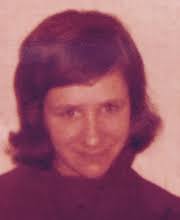
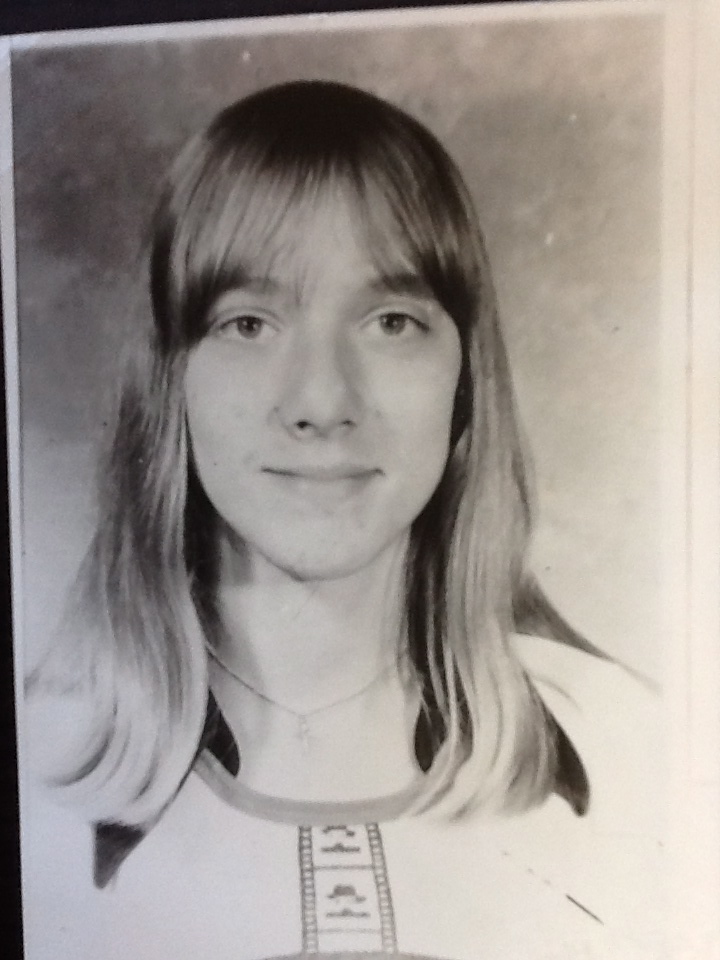
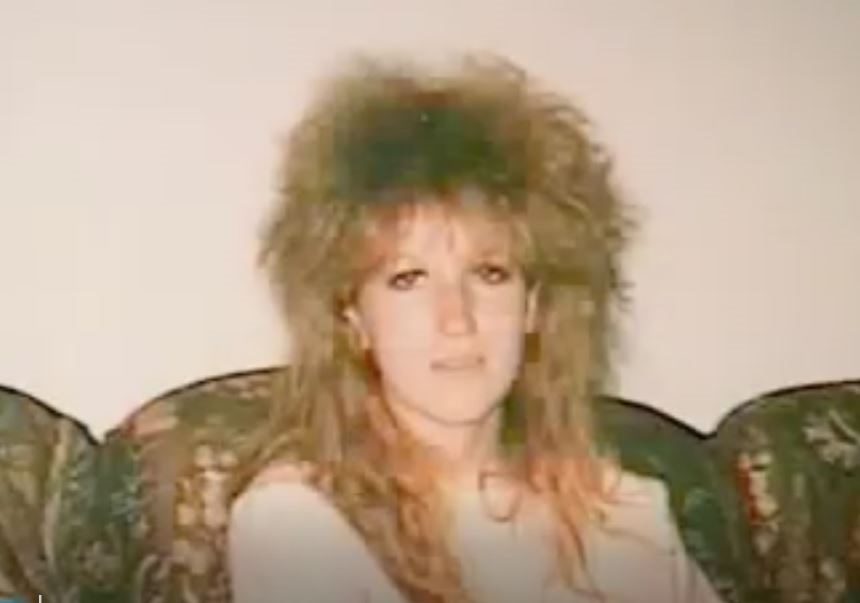
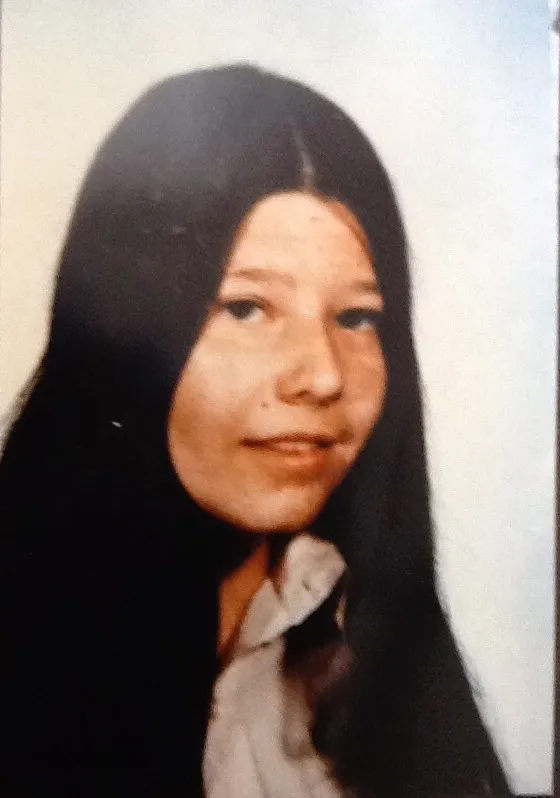
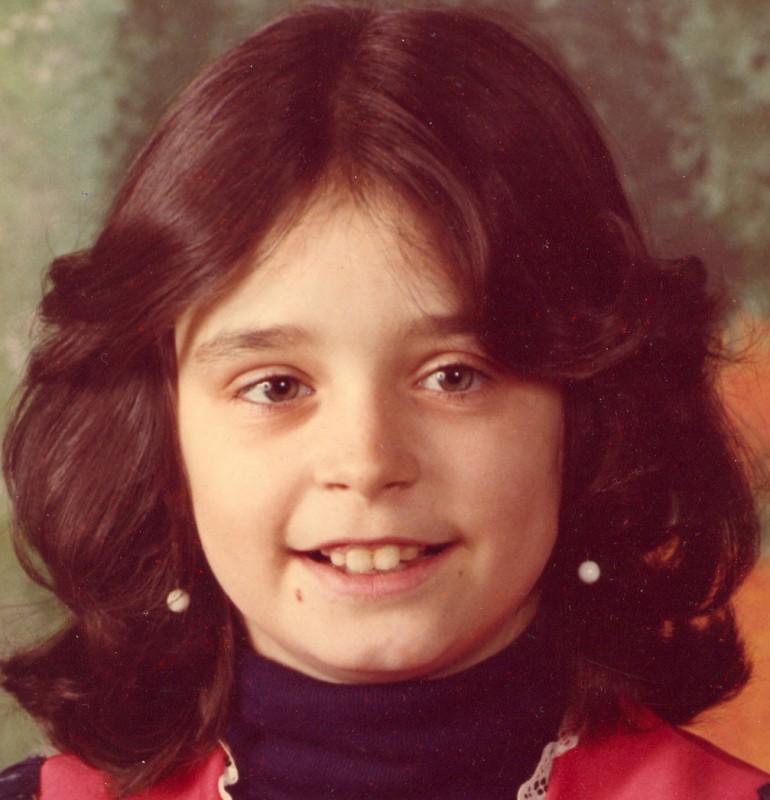
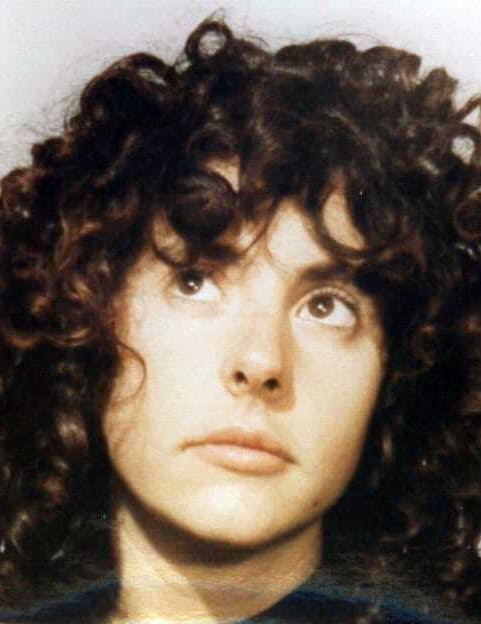
On a cold November night in 1987, a mystery began on the South Shore of Montreal that continues to haunt the region. The life of 28-year-old Johanne Marsolais, a woman who had faced a difficult past, ended violently on a secluded farm road in Brossard, Quebec. For decades, the questions of who killed her and why have remained unanswered, leaving a lingering sense of injustice for a life cut short.
Johanne, who also used the alias France Tremblay, was known to police and had recently completed a prison sentence. Her life had been marked by struggle, including convictions for prostitution, conspiracy, and robbery with violence, and she had escaped from a detention center on two separate occasions. Despite this troubled history, she was a young woman whose final hours are a focal point for investigators seeking to solve her murder.
The evening of Wednesday, November 18, 1987, was the last time Johanne was seen alive.
At around 10:00 p.m., she hailed a taxi at the bustling Berri-UQAM metro station in the heart of Montreal. Her destination was across the river. About thirty minutes later, at 10:30 p.m., she was spotted at Le Bic, a bar in the city of Longueuil. After she left the bar, her movements became a mystery. What happened in the hours that followed remains the central question in her unsolved homicide.
Later that same day, a person jogging near the municipal golf course in Brossard made a grim discovery. On a quiet cultivator's path just off Lapinière Boulevard, they found Johanne’s body. She was naked and had been left at the foot of a tree in an adjacent field. The Brossard police were called to the scene and determined that she had been strangled to death only a few hours before she was found. The case was quickly transferred to the provincial police force, the Sûreté du Québec (SQ).
The initial investigation yielded few clues. Two weeks after Johanne's body was discovered, police admitted they had no solid leads. The critical gap in the timeline—the period between her leaving the bar in Longueuil and her body being found in Brossard—left investigators with a host of unanswered questions. Who did she meet at the bar? What happened on her journey from Longueuil to the isolated road in Brossard? And who was the person responsible for her death?
Over the years, Johanne’s case grew cold, one of many unsolved homicides from that era in Quebec. In recent years, however, the Sûreté du Québec has renewed efforts to bring attention to these dormant files, hoping that new technology or a long-held secret might finally provide a breakthrough. Her file, #101-871120-001, remains open in the Division of Unsolved Crimes.
As of May 2026, the murder of Johanne Marsolais remains unsolved. There is no information publicly available about any specific suspects or persons of interest ever identified in her case. The fundamental questions that arose on that cold day in 1987 persist. Police continue to ask for the public’s help, believing that someone, somewhere, holds the key to understanding what happened to Johanne. Any information that could help solve this crime can be communicated confidentially to the Sûreté du Québec's Centrale de l’information criminelle at 1 800 659-4264.