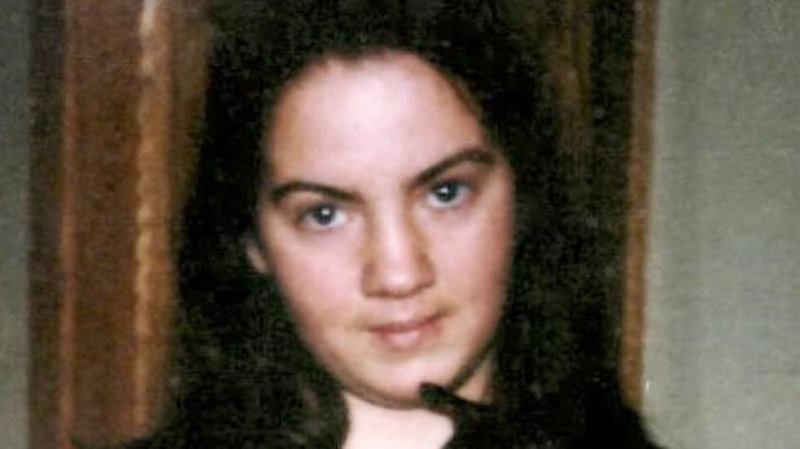
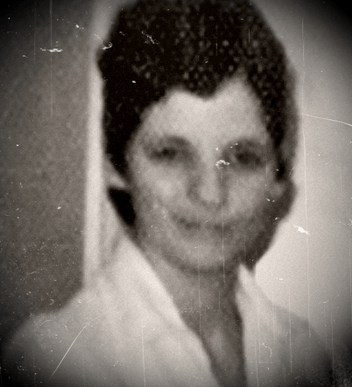
Hélène Monast was an 18-year-old woman from Chambly, Quebec, whose life ended on the night of September 10, 1977, the day she was celebrating her birthday. Earlier that day she had spent time with her family, and that evening she went out with a friend in Chambly. Reports place her at Chez Marius restaurant before she and her friend continued through the area. Hélène planned to spend the night at her godmother’s home on rue Migneault.
Around 11 p.m., she reportedly contacted her to say she expected to arrive within about 15 minutes. She never made it there.
During the final portion of the evening, Hélène was reportedly seen talking with her friend and an unidentified man. She later walked with her friend until the two separated near the Motel Mon Repos area. At approximately 11:15 p.m., Hélène continued alone toward her destination. Investigators later placed the attack at roughly 11:30 p.m. in the Parc des Ateliers area beside the Chambly Canal, with the fatal assault believed to have unfolded within a short period after she entered the park. Her sister later said police had told the family that witnesses may have seen the killer, although no person was publicly identified from those accounts.
At about 8:20 the following morning, September 11, a nearby resident noticed a body in the park. Hélène was found near the canal behind 224 rue Maurice, close to where she had last been traveling the previous night. Her body had been largely stripped of clothing. Contemporary accounts describe some of her clothing and personal effects near the scene, while her burgundy shoulder purse was never recovered. The missing purse became one of the unexplained details of the investigation.
The autopsy established that Hélène died from asphyxia caused by strangulation. The pathologist documented injuries to her face, including bruising around an eye and abrasions to her cheeks and chin, as well as injuries to her neck consistent with violent pressure. Bite marks were also reported on one of her breasts. Although some later news accounts described the crime as involving a sexual assault, the coroner's examination stated that the examination of the external genital area and related samples did not establish physical criteria demonstrating violence to that area.
The initial investigation involved Chambly police and members of the Sûreté du Québec. Over the decades, questions have been raised about how the scene and physical evidence were handled. Hélène's family has said people were able to approach unusually close to the body after it was discovered, raising concerns about possible contamination. Later reporting also indicated that some exhibits from the investigation were eventually destroyed or became unavailable. Those losses have taken on greater significance as advances in DNA analysis have made it possible to solve some decades-old homicides using biological evidence that could not have been meaningfully analyzed in 1977.
No arrest followed the original investigation. In 2015, nearly four decades after the killing, Hélène's family helped renew public attention to the case. A $2,000 reward was offered for information that could lead to an arrest, and the Sûreté du Québec established a command post near the Parc des Ateliers in an effort to find witnesses or recover details that might have been overlooked. Investigators emphasized that even seemingly insignificant memories from the night of the murder could potentially provide a missing piece of the case. Despite those efforts, authorities did not announce an arrest or identify a publicly confirmed suspect.
The case again received renewed attention in 2024 when Meurtres et Disparitions irrésolus du Québec began reviewing the available information with Hélène's family. The organization sought additional witnesses and expressed hope that advances in forensic DNA technology might eventually provide a breakthrough if suitable evidence still exists. More recent examinations of the case have also discussed a witness who may have seen part of the events but whose account was reportedly considered unreliable by investigators at the time, as well as the difficulty created by missing or destroyed evidence.
The killing remains unsolved. Available records do not show that anyone has been arrested, charged, tried or convicted for Hélène Monast's murder, and the Sûreté du Québec continues to list the case as unresolved. The unidentified man reportedly seen during her final evening has never been publicly established as her killer, and no suspect has been officially named in the information released to the public. Nearly five decades after Hélène left her friend and began the short walk toward her godmother's home, the identity of the person who attacked and strangled her remains unknown.