Crime Solvers Central
302 Cases Solved. Advancing justice for missing persons, unsolved homicides, unidentified and unclaimed remains.

Case Description

Any updates on this case? Let us know!
Summary based on 5 sources
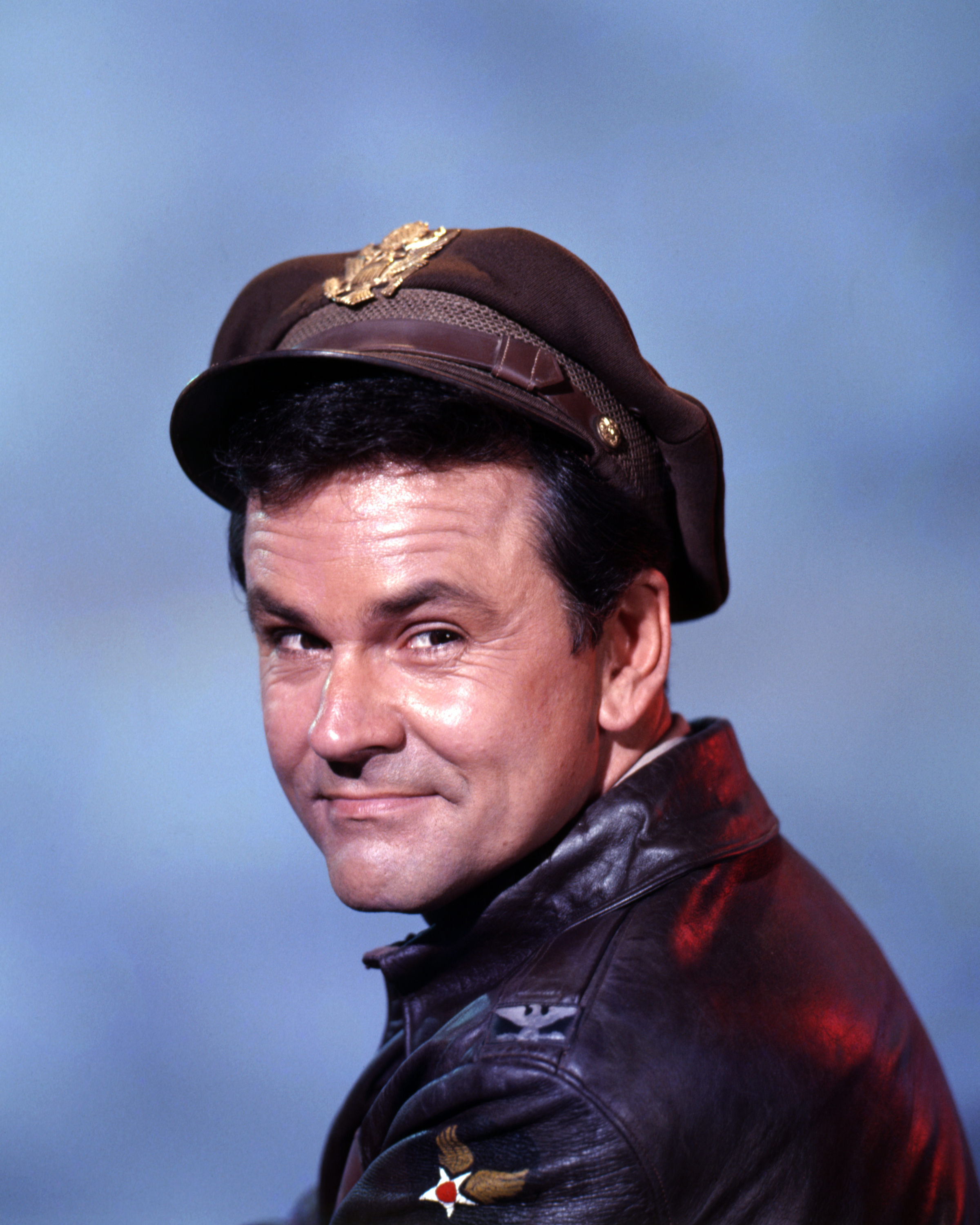
To millions, he was the charming and witty Colonel Robert Hogan, the American officer who consistently outsmarted his German captors in the popular 1960s sitcom "Hogan's Heroes." But the life of actor Robert Edward "Bob" Crane, a man known for his quick smile and talent as a drummer and radio personality, ended in a brutal, unsolved mystery that has haunted his family and fans for decades.

Born in Waterbury, Connecticut, Bob Crane was a gifted musician from a young age, beginning his career in radio. His charismatic on-air presence made him a top-rated morning show host in Los Angeles before he transitioned to acting. His most famous role as Colonel Hogan in "Hogan's Heroes," which aired from 1965 to 1971, earned him two Emmy nominations and made him a household name. After the show ended, Crane’s career slowed, and he turned to dinner theater. In June 1978, he was in Scottsdale, Arizona, starring in a production of "Beginner's Luck" at the Windmill Dinner Theatre.

On the afternoon of June 29, 1978, Crane’s co-star, Victoria Ann Berry, went to his apartment in the Winfield Place Apartments complex after he failed to show up for a lunch meeting. When he didn’t answer the door, she entered the unlocked apartment and made a horrifying discovery. The 49-year-old actor was found in his bedroom, bludgeoned to death. An electrical cord had been tied around his neck. The scene was bloody and violent, a stark and tragic contrast to the lighthearted persona Crane projected on screen.

The Scottsdale Police Department immediately launched a homicide investigation. There were no signs of forced entry, suggesting Crane may have known his killer. The murder weapon was never found, but investigators have long theorized it was a camera tripod. The investigation quickly focused on John Henry Carpenter, a friend of Crane's who managed a video equipment company. The two men shared an interest in amateur pornography, often filming their sexual encounters with women. Detectives learned that Carpenter had been with Crane the night before the murder.

Suspicion of Carpenter intensified when police impounded his rental car and discovered bloodstains that matched Crane's blood type. However, in the era before DNA testing, this evidence was not conclusive enough to prove the blood was Crane's. With insufficient evidence to press charges, the investigation stalled, and the case grew cold. For years, Crane's family, including his eldest son, Robert Crane, lived with the uncertainty of his father's unsolved murder.

In 1990, the Maricopa County Attorney's Office reopened the case. Detectives hoped that advances in forensic science could finally provide answers. A detective reviewing old evidence photos discovered an image showing what appeared to be a piece of brain tissue inside Carpenter's car, a detail missed in the original investigation. Although the physical evidence itself had been lost, prosecutors felt they had enough to move forward. In June 1992, John Henry Carpenter was arrested and charged with the murder of Bob Crane.

The trial took place in 1994, sixteen years after the crime. The prosecution argued that Carpenter killed Crane after their friendship soured. The defense countered that the police had tunnel vision, focusing solely on Carpenter while ignoring other potential leads. The forensic evidence, once thought to be the key, proved inconclusive. After a lengthy trial, the jury acquitted John Henry Carpenter. He maintained his innocence until his death in 1998. The murder of Bob Crane remains officially unsolved, a final, grim chapter in the life of a beloved television star.