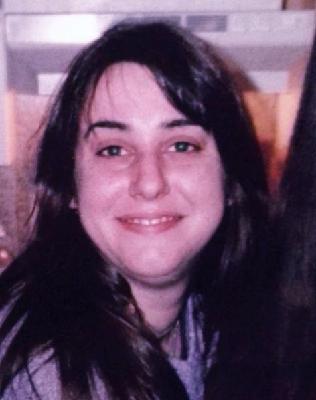
In the autumn of 1961, Betty Gail Brown was a bright and popular 19-year-old woman with a promising future. A sophomore at Transylvania University in Lexington, Kentucky, she was known for her friendly nature and dedication to her studies. She was a member of the Delta Delta Delta sorority and was well-regarded by her peers and professors on the historic campus. Betty was the daughter of a respected local milk dealer, and her family was well-known in the community. She balanced her academic life with a vibrant social life, often studying with friends on campus in the evenings.
On the night of Thursday, October 26, 1961, Betty spent the evening studying with friends. Around midnight, she left her study session and got into her 1961 Oldsmobile, presumably to drive home. She never made it. In the early morning hours of October 27, around 3 a.m., a police officer discovered her car parked in a driveway on campus, directly in front of the iconic Old Morrison administration building.
Inside, he found Betty Gail Brown in the driver's seat. She had been brutally strangled to death with her own brassiere. The shocking discovery on the grounds of the quiet, historic university sent a wave of fear and disbelief through Lexington.
The Lexington Police Department launched an intensive investigation into the city's most prominent murder mystery. Detectives interviewed hundreds of people, including students, faculty, and local residents, and administered numerous polygraph tests, but no viable suspects or clear motives emerged. The case consumed the community, with theories and rumors swirling for years, turning the unknown killer into what one local newspaper called "a mythological figure in Lexington, a kind of all-purpose boogeyman." Despite the immense effort, the investigation eventually grew cold, leaving a lingering sense of unease in the city.
Four years later, in 1965, a seemingly significant break occurred. A drifter and alcoholic named Alex Arnold Jr., who was jailed in Oregon on unrelated charges, confessed to the murder of Betty Gail Brown. Arnold was extradited to Lexington, indicted, and put on trial. He claimed to have been in Lexington and drunk on the night of the murder, and at one point stated he was "99 percent sure" he had killed her. However, his story was riddled with inconsistencies, and his memory of the event was unreliable. A young attorney named Robert G. Lawson was part of the court-appointed team that defended Arnold. During the trial, which captivated the state, prosecutors could not produce any concrete evidence to place Arnold at the scene of the crime. The jury was unable to reach a verdict, resulting in a hung jury, and the judge declared a mistrial. Arnold was never retried for the crime.
Over the decades, the murder of Betty Gail Brown has become Lexington's oldest and most notorious unsolved homicide. The case has been the subject of intense local fascination, featured in books and podcasts. Robert G. Lawson, the attorney who helped defend Arnold, later wrote a detailed account of the case titled "Who Killed Betty Gail Brown?: Murder, Mistrial, and Mystery," drawing from his own notes and case files to preserve the record of the investigation and trial.
Though leads have occasionally surfaced over the years, none have led to a resolution. The Lexington Police Department still considers the case open, and the file remains a painful reminder of a young life cut short. As of November 2017, police confirmed they still periodically receive and investigate new information, holding out hope that a definitive answer might one day be found. The murder of Betty Gail Brown remains a haunting chapter in Lexington's history, a mystery that has endured for over six decades, leaving a family and a community forever searching for justice.