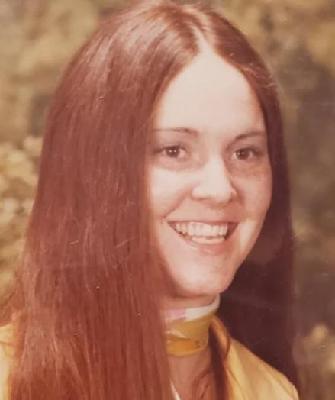
Kelly Lynn Albright was a bright and beloved 12-year-old girl, born on May 17, 1958, in Hutchinson, Kansas. Friends from her childhood at McCandless Elementary school remembered her as a beautiful girl with a “beautiful smile” and a promising future. Though often described as shy, quiet, and soft-spoken, she had a sweet disposition and enjoyed doing hair and nails. Kelly lived with her mother, Roberta, and her stepfather, Richard LeShure, in a home on East 10th Street in the small farming community of Hutchinson.
The night of Thursday, September 17, 1970, began like any other. Kelly’s parents were out for the evening, visiting relatives to play cards. Kelly was at home, sharing a bedroom with her 13-year-old brother and 5-year-old half-sister. Around 10:30 p.m., she woke her brother, telling him she was going to the bathroom. He soon fell back asleep. When her parents returned home around 12:15 a.m. on September 18, Kelly was gone.
There were no signs of a struggle or forced entry, leaving her family and investigators puzzled as to how she vanished from the house in the middle of the night.
A massive search was immediately launched, involving the Hutchinson Police Department, the Reno County Sheriff’s Office, and the Kansas Bureau of Investigation. For four agonizing days, the community searched for the missing girl. The search came to a horrific end on September 21, 1970. A local farmer, Calvin Troyer, was working in a sorghum field about three miles east of Hutchinson when he discovered Kelly’s nude and battered body. The location was a rural area sometimes known as a lovers' lane, not far from her home.
An autopsy revealed the shocking brutality of the crime. Kelly Lynn Albright, a female child, had been sexually assaulted and stabbed 18 times with a blade estimated to be about five inches long. The few pieces of evidence recovered from the scene and the home included a pillow slip and her pajamas. The viciousness of the attack sent a wave of fear and shock through Hutchinson, a community unaccustomed to such violence. The murder of a child in such a brutal manner left a lasting scar.
Despite an intensive investigation, the case quickly went cold. The forensic tools of the 1970s were limited, and with little evidence to go on, investigators could not make an arrest. Decades later, a prime circumstantial suspect was identified: Glenn Davis, a friend of the family. Reports indicated his vehicle was seen in the area around the time Kelly disappeared, and some claimed he had meticulously cleaned his car the following day. However, the evidence against him was not strong enough to file charges. In 1995, Davis was convicted in an unrelated case for aggravated incest and aggravated indecent liberties with a child and was sent to prison. He died of heart failure in 1997, reportedly the day before investigators were scheduled to question him again about Kelly's murder in the hopes of securing a deathbed confession.
Over the years, family and friends have refused to let Kelly’s memory fade. Her uncle, Don Wilson, dedicated himself to finding justice for his niece, especially after his wife passed away. Starting around 2006, he compiled extensive files, conducted his own interviews, and publicly advocated for the case until his death in 2013. He worked alongside Kelly's childhood friends, Linda Kirby and Rona Smith, who had reconnected while visiting Kelly’s grave at the Yoder Mennonite Church Cemetery. Some family members have questioned whether the killer acted alone, but law enforcement has maintained that all evidence against any potential suspect has remained purely circumstantial.
As of March 2026, the murder of Kelly Lynn Albright remains one of Kansas's oldest and most haunting unsolved child homicides. No one has ever been charged with her abduction and murder. The case is still officially open but is considered inactive pending new evidence or witnesses coming forward. The story of her unsolved murder inspired the mystery novel "Facing September" by Sara Jenlink.