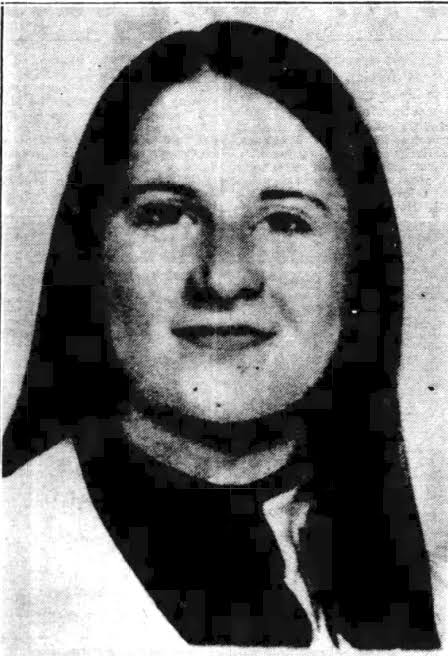
Barbara Specht was a 17-year-old girl whose life came to a violent and tragic end on Sunday, January 24, 1971, inside a residence at 368 East 10th Street in Manhattan, New York City. Born on February 9, 1953, in Philadelphia, Pennsylvania, Barbara had been described in historical case records as a runaway. Although little has been publicly documented about her childhood, family relationships, or the circumstances that brought her to New York City, she had been living in Manhattan before her death. Her killing occurred just over two weeks before what would have been her eighteenth birthday, ending a young life under circumstances that would remain unresolved for decades.
The discovery of Barbara's body came during what began as an ordinary Sunday afternoon. At approximately 5:30 p.m., a neighbor stopped by her residence to borrow some sugar. Instead of finding Barbara going about her day, the neighbor discovered her lying dead in her bed.
She was still wearing her nightclothes, and her head and face had been severely battered. The injuries indicated that she had been the victim of a violent physical assault. What had started as a routine visit by someone living nearby had unexpectedly become the discovery of a homicide.
Investigators believed that Barbara had been murdered at approximately 11:30 a.m. that morning, roughly six hours before her body was discovered. This estimated time of death placed the attack during the late morning hours, although the precise sequence of events leading to the assault has not been publicly established. Available accounts do not explain whether Barbara had been asleep when the attack began, whether she knew her assailant, or whether someone had entered the residence without her permission. The weapon or object responsible for her injuries was not identified in the available reporting. There is also no confirmed public information concerning signs of forced entry, missing belongings, additional injuries, or evidence recovered from the residence.
Barbara's circumstances before the murder have remained another unanswered aspect of the case. Historical accounts identify her as a runaway, but provide little additional information about when she left home or the events that preceded her arrival in Manhattan. A photograph of Barbara from a 1968 school yearbook has since been used in published cold-case coverage to preserve her identity and bring renewed attention to her death. The photograph captures her during an earlier period of her life, before the circumstances that ultimately resulted in her murder. Her background remains significant because understanding her relationships, movements, and acquaintances before January 24, 1971, could potentially provide context for the events that took place inside the East 10th Street residence.
Despite the violent nature of the killing, very little information about the original police investigation has become publicly available. No specific suspect has been reliably identified in the accessible historical accounts, and no publicly documented arrest, criminal charge, trial, or conviction connected to Barbara's murder could be confirmed. There is also no verified information establishing whether detectives developed persons of interest, interviewed particular acquaintances, or recovered physical evidence that might be suitable for modern forensic examination. Without such documentation, the identity of the person responsible and the motive for the attack remain unknown.
More than five decades after Barbara's death, her case continues to appear in publicly maintained collections of unsolved New York City homicides. The passage of time has made the circumstances surrounding the murder increasingly difficult to reconstruct, particularly because so few details about the initial investigation have been preserved in accessible reporting. Nevertheless, the known facts remain deeply troubling. Barbara was discovered in her own bed, still dressed for sleep, after suffering a brutal assault sometime during the morning of January 24, 1971. Her death was discovered by chance when a neighbor came to borrow an everyday household item.
The murder of Barbara Specht remains an unresolved chapter in New York City's criminal history. A young woman who had already experienced an uncertain period in her life was killed shortly before reaching adulthood, and the person responsible has never been publicly established. The absence of a confirmed suspect, documented prosecution, or publicly reported resolution leaves fundamental questions unanswered, including who entered her residence that morning, what led to the attack, and why she was targeted. Barbara's story remains a reminder of a life taken far too early and a homicide for which accountability has yet to be publicly documented.