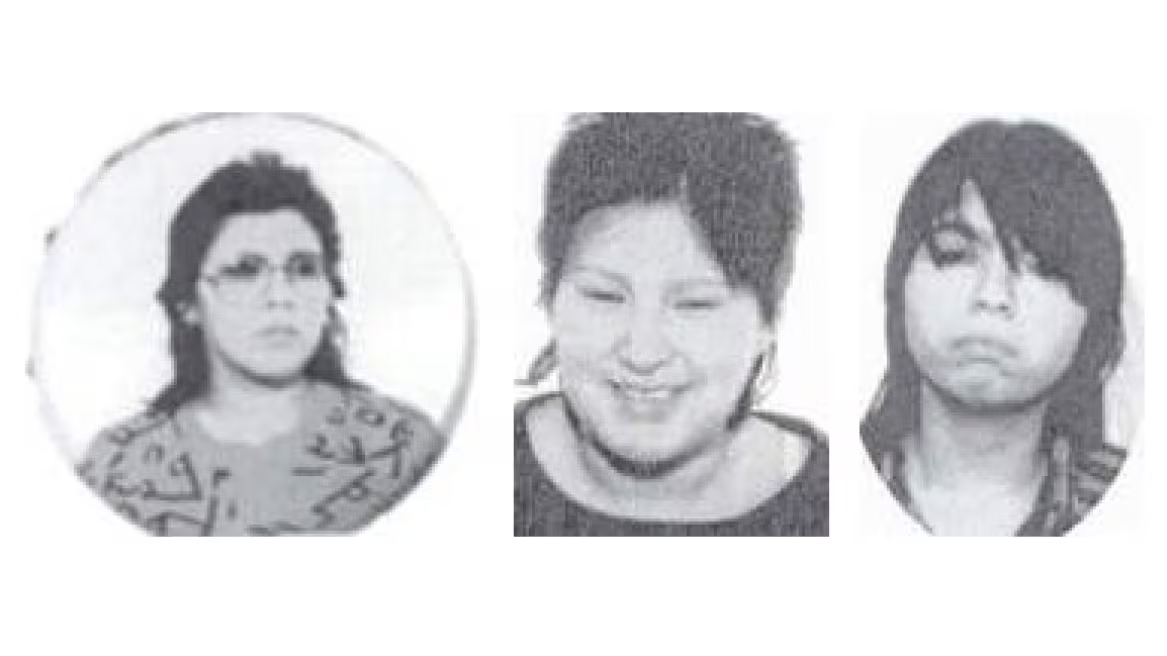
In the spring of 1992, 16-year-old Shelley Napope, a female member of the One Arrow First Nation, disappeared from the streets of Saskatoon, Saskatchewan. For her family, it was the beginning of a long and agonizing search, a period marked by frustration and a sense of futility. They repeatedly tried to sound the alarm, filing nearly 30 missing persons reports with the police, but their pleas for help went largely unheeded.
The family’s desperate efforts to find the teenager were met with an indifference that would later become a focal point of a national conversation about how society treats its most vulnerable.
Before she was tragically silenced, Shelley left behind a series of letters. These writings, discovered after her death, painted an intimate and poignant portrait of a young life full of the typical joys and struggles of a teenager, a stark contrast to the darkness that would soon envelop her. Her words served as a heartbreaking reminder of the vibrant person whose future was stolen. While her family searched, Shelley had already fallen victim to one of Canada's most dangerous predators.
The break in the case came more than two years later, in October 1994, when a farmer stumbled upon a horrific scene in a wooded area near a golf course southwest of Saskatoon. He discovered the skeletal remains of three women. Dental records would later confirm one of the victims was Shelley Napope. The other two women were identified as 30-year-old Eva Taysup and 22-year-old Calinda Waterhen, both of whom had also been murdered in 1992. The discovery confirmed the community's worst fears: a serial killer had been preying on Indigenous women.
The investigation led police to John Martin Crawford, a man with a violent history who was already on their radar. In 1981, Crawford had been convicted of manslaughter for killing a woman in Lethbridge, Alberta, but was released from prison in 1989. Free again, he resumed his violent attacks. In the spring of 1992, Crawford and an accomplice, Bill Corrigan, picked up Shelley. They raped and beat her before Crawford stabbed her to death, leaving her body in the secluded area where it would lie undiscovered for two years.
Crawford, who became known as "The Lady Killer," targeted women he perceived as vulnerable. His methods were brutal, involving strangulation, stabbing, and beatings. The investigation revealed a pattern of predatory behavior and a chilling disregard for human life. Author Warren Goulding, in his book "Just Another Indian: A Serial Killer and Canada's Indifference," highlighted how the victims' Indigenous heritage contributed to the lack of media attention and public outcry that often accompanies the disappearance of white women.
In 1996, John Martin Crawford was brought to justice for his horrific crimes. He was convicted of first-degree murder for one killing and two counts of second-degree murder for the others, including Shelley's. He was sentenced to three concurrent life sentences. Crawford never expressed remorse and remained imprisoned until his death in custody at the Regional Psychiatric Centre in Saskatoon on December 16, 2020.
For Shelley's family, the legal outcome brought a measure of closure but could not erase the pain of their loss or the frustration over the initial police response. Her cousin, Darlene Okemaysim-Sicotte, became a prominent advocate for missing and murdered Indigenous women, channeling her family's grief into a fight for systemic change. Shelley Napope is remembered not just as a victim of a monstrous killer, but as a beloved daughter, cousin, and friend whose life was cut short by violence and whose story underscores a tragic and persistent national issue.