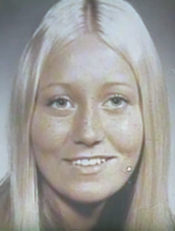
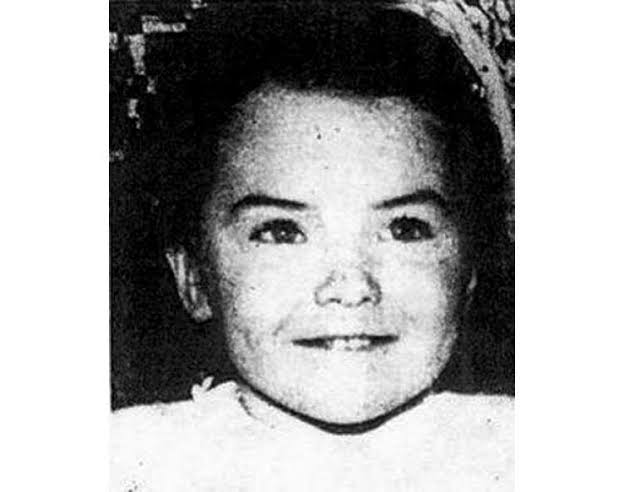
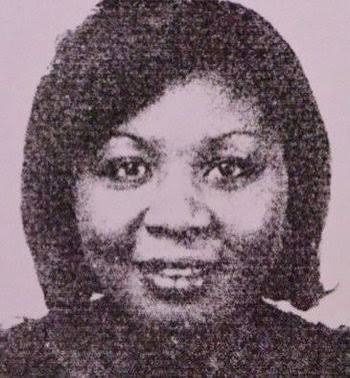
In the small village of Merlin, Ontario, Edith Authier was a familiar and dependable presence. A 57-year-old widow, she lived a quiet life on her own. To support herself, she worked as a chambermaid at the grand William Pitt Hotel in the nearby city of Chatham, a job she was known to be diligent at. Each workday, Edith would join her neighbors for a carpool, a routine that was a small, steady part of her life.
On the morning of Saturday, September 5, 1970, the routine was broken.
When Edith did not emerge from her William Street home at the usual time, her carpool companion and neighbor, a Mrs. Gray, grew concerned. After knocking at the door and receiving no answer, she contacted the police. What they discovered inside brought a wave of shock and horror to the peaceful community. Edith Authier was found in her home, the victim of a brutal attack. She had been beaten and stabbed to death.
The initial investigation into the violent murder of the well-liked chambermaid yielded few leads, and for a time, the case went cold. The community was left with a sense of unease, and the question of who could have committed such a terrible act against a woman known for her quiet and unassuming nature remained unanswered. The case was a painful open wound for those who knew her and a troubling mystery for law enforcement in Southwestern Ontario.
The answer to that mystery would remain hidden for decades, locked away in the dark history of one of Canada's most notorious serial killers. Gerald Thomas Archer, who came to be known as "The London Chambermaid Slayer," was active in the region between 1969 and 1971. His victims were all women who, like Edith, worked in hotels. Archer was eventually arrested and, in 1971, convicted of the non-capital murder of another chambermaid, Belva Russell. He was sentenced to life in prison for that crime.
While there were similarities in the murders of Edith and the other victims, a definitive link to Archer was not immediately established. He was paroled in 1985 and lived the remainder of his life as a drifter, dying of a heart attack in 1995. The full truth of his violent spree only began to emerge five years after his death. His own family, his estranged wife and daughter, came forward and informed police that Archer had once drunkenly confessed to them that he had killed Edith Authier.
This stunning revelation prompted police to reopen the cold case. In a grim twist of fate, it was discovered that Edith's late husband had been the brother of Archer's wife, Mary, meaning the killer and his victim were connected by marriage. Though Archer was already dead and buried in a potter's field, investigators exhumed his remains in February 2000. The DNA evidence procured from his body would posthumously link him to the 1969 murder of another chambermaid, Jane Wooley.
Though he was never tried for Edith Authier's murder, the confession from his family provided the long-sought-after answer to who was responsible for the tragedy that befell her in her small Merlin home. The case of Edith Authier is a somber reminder of the long shadow that violent crime can cast and the painful, winding path that can sometimes lead to the truth.