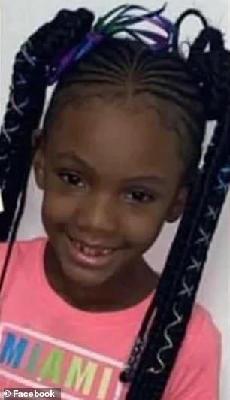
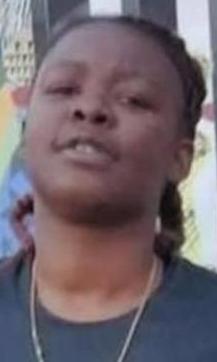
Shantieya Smith was a 26-year-old female known for her bright energy and protective nature, a devoted mother who lived in a three-generation home in Chicago’s North Lawndale neighborhood. Friends and family remember her as the cousin you would call when there was trouble and someone who would teach the latest Chicago dance styles in the living room. Every morning, she would sling her young daughter’s backpack over her shoulder and walk her to the elementary school across the street.
Her life was a fixture of love and routine, which made her sudden disappearance all the more alarming.
On a warm afternoon on May 26, 2018, Shantieya left her home to run a quick errand, a trip so brief she didn't even take her cell phone. Her mother, Latonya Moore, recalled her daughter saying, "I'll be back mom." It was the last time she saw her alive. When Shantieya didn't return, her family grew deeply concerned. Feeling that police were not taking her report seriously, Moore organized her own search parties with family and friends, putting up fliers and combing through abandoned buildings in the neighborhood, desperate for any sign of her daughter.
Nearly two weeks later, on June 7, 2018, a horrific discovery was made just two blocks from Shantieya’s home. Police found her body underneath a car in a dilapidated garage in the 1800 block of South Central Park Avenue. Due to the advanced state of decomposition, she could only be identified through her tattoos. The Cook County Medical Examiner’s Office ruled her death a homicide, with reports citing blunt trauma to her head and neck, while others stated "homicide by unspecified means" because of the condition of her remains.
The investigation into Shantieya’s murder has been fraught with frustration and unanswered questions for her family. Police identified a person of interest, a man she was last seen with, but he was never charged in her death after invoking his right to a lawyer during questioning. Shantieya's mother has been a tireless advocate for justice, repeatedly criticizing the Chicago Police Department for what she describes as inaction and a lack of communication. For years, she was told that investigators were waiting for DNA results, only to later learn there were conflicting reports about whether the evidence had been properly submitted or analyzed, leaving the family in a painful state of limbo.
Shantieya Smith’s case is one of 51 unsolved murders of women in Chicago between 2001 and 2018 that were identified by the Murder Accountability Project as a potential serial killer cluster. The victims in this cluster, often referred to as the "Chicago Strangler" cases, were predominantly Black women, and most were killed by strangulation or asphyxiation before being left in alleys, abandoned buildings, and garbage cans. While Shantieya’s reported cause of death was blunt force trauma, her murder is included in this devastating pattern of violence that has left dozens of families searching for answers.
Today, Shantieya’s murder remains unsolved, and no one has been held accountable. Her mother, Latonya Moore, continues to fight for justice, keeping her daughter's memory alive while raising Shantieya's daughter, who was just seven at the time of her mother's death. The family’s grief is compounded by a feeling of being failed by the system that was supposed to protect them. "All I want and my family want, all that we want is the person who actually killed my daughter, I want to be prosecuted," Moore has said. "That's all I'm asking for – justice, for my daughter."