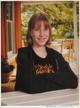
On a summer day in Chicago, on August 14, 2003, a young woman named Rosena Barocio was killed. She was just 20 years old at the time of her death. Her life was ended by an act of violence that left her case unsolved for years, one of a deeply troubling pattern of homicides that has haunted the city for over two decades. Rosena was a victim of what is believed to be a serial killer, or possibly multiple killers, often referred to as the Chicago Strangler.
Her death was caused by
strangulation or asphyxiation, a brutal method that became the terrifying signature of a string of murders. Between 2001 and 2018, at least 51 women in Chicago were killed in a chillingly similar manner. The victims were often left in desolate, out-of-the-way places like garbage bins, abandoned buildings, and dark alleys, primarily on the city's South and West Sides. The series of killings created a climate of fear and raised painful questions about the value placed on the lives of the victims, who were predominantly Black women.
The investigation into this cluster of murders has been complex and frustrating. In 2018, the Murder Accountability Project, a nonprofit organization that analyzes homicide data, used an algorithm to identify the pattern and brought national attention to the 51 unsolved cases, including Rosena's. This prompted activists and victims' families to demand a more concerted effort from law enforcement. They argued that the cases were connected and that a serial killer was preying on vulnerable women.
In response to public pressure, the Chicago Police Department announced it would review the 51 cases. However, the department has remained cautious about officially linking them to a single offender, stating that they have not found definitive evidence of one serial killer. For the families of the victims, this official stance has often felt like a dismissal of their loved ones' shared fate and has prolonged their search for answers and justice.
While some of the 75 total similar murders that occurred during that period have been solved, leading to the arrest of several different men, the majority, including the 51 cases identified as a potential cluster, remain cold. This has left dozens of families in a state of perpetual grief, knowing that the person who took their daughter, sister, or mother has never been held accountable. Each unsolved case represents a life cut short and a community left with scars.
Rosena Barocio’s case remains open. She is not just a statistic in a grim series of crimes; she was a young woman with a future ahead of her. Her death is a stark reminder of the human cost of unsolved violence and the ongoing fight for justice for the forgotten victims of one of Chicago's most disturbing crime sprees. The hope remains that one day, a tip from the public or a breakthrough in the investigation will finally bring closure to her family and answer the questions that have lingered for far too long.