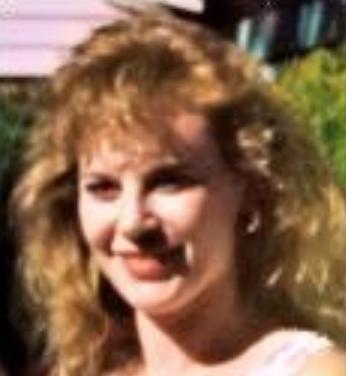
In the winter and spring of 1990, a series of killings cast a shadow of fear over Spokane, Washington, as three women were found dead along the Spokane River. The last of these victims was Kathleen A. Brisbois, a 38-year-old woman whose life was cut short on May 15, 1990. Her body was discovered on the west side of the river, near Trent and Pines in the Spokane Valley.
Like the two women killed before her, Yolanda Sapp and Nickie Lowe, Kathleen had been shot with a small-caliber handgun and left by the water's edge.
Kathleen’s family remembered her not for the struggles she faced, but for the person she was. Her brother, Richard Brisbois, and sister, Debra Bailey, recalled her "real beautiful personality" and the fun they had during Christmases together. They knew she was more than the circumstances that led her to the streets of Spokane. In the days leading up to her death, Kathleen had expressed a sense of dread, telling her brother she was afraid something bad was going to happen. Her fear proved tragically prophetic. When investigators examined her body, they found evidence that she had fiercely fought her attacker. In her final moments, she had scratched her killer, collecting scrapings of skin and blood beneath her fingernails. This biological evidence, preserved for decades, would ultimately be the key to solving her murder.
For 22 years, the murders of Kathleen, Yolanda, and Nickie remained unsolved, joining the grim list of Spokane's cold cases. Investigators initially considered several suspects, including notorious serial killer Robert Lee Yates, but no evidence could connect him to these specific crimes. The joint investigation by the Spokane Police Department and Spokane County Sheriff's Office remained open, waiting for a break. That break finally came in 2012, not from a new tip, but from a routine arrest on an unrelated charge.
A 61-year-old named Donna Rebecca Perry was arrested in Spokane for being a felon in possession of a firearm. As required by law, a sample of her DNA was collected and entered into the Combined DNA Index System (CODIS), a national database. The system registered a match. The DNA profile belonged to the same person whose genetic material was found under Kathleen Brisbois's fingernails two decades earlier. Investigators now had a name: Donna Perry, who was known as a man named Douglas Robert Perry at the time of the murders in 1990. Perry had undergone gender reassignment surgery in 2000.
The DNA hit revitalized the investigation. Detectives re-examined all the evidence, linking Perry not only to Kathleen but to the other two victims as well. Perry's fingerprints were matched to a print found on a bottle in Nickie Lowe's purse. With the mounting evidence, prosecutors charged Donna Perry with three counts of first-degree murder in 2014. The arrest brought a profound sense of relief to Kathleen's family. Her brother expressed his gratitude for the advancement in DNA technology, stating, "I'm glad my sister was a little scrapper that she was."
During the trial in 2017, prosecutors argued that Perry, then Douglas, had preyed on the women and that the gender reassignment surgery was a calculated effort to evade suspicion. A former cellmate testified that Perry had confessed to killing nine prostitutes. The defense conceded that Perry's DNA and fingerprint were at the scenes but argued it was because Perry, as a man, had patronized prostitutes. Perry claimed to investigators that the surgery was a way to control violent impulses, stating, "Douglas didn't stop, Donna stopped it."
On June 29, 2017, a jury found Donna Rebecca Perry guilty on all three counts of first-degree murder. She was subsequently sentenced to three consecutive life sentences without the possibility of parole. For the families of Kathleen Brisbois, Yolanda Sapp, and Nickie Lowe, the verdict marked the end of a long and painful chapter. Richard Brisbois said he wanted his sister and the other victims to be remembered for who they were, not for what they did. The conviction ensured that the person responsible for their deaths would be held accountable, finally bringing a measure of justice that Kathleen’s final, desperate fight had made possible.