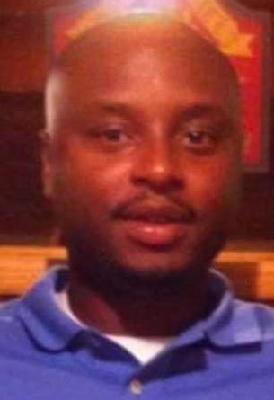
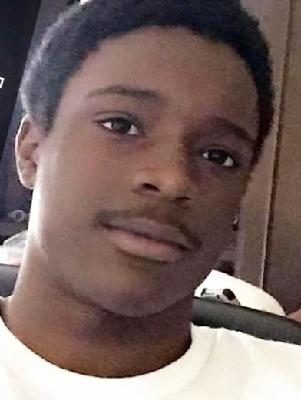
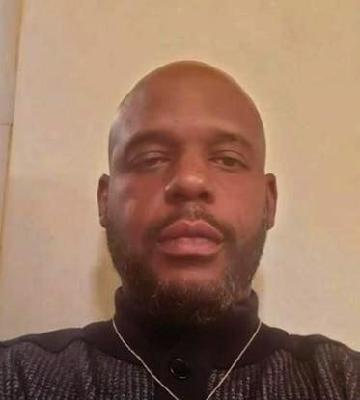
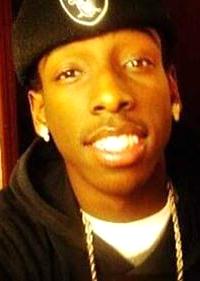
On a spring evening in Oklahoma City, a violent encounter in a public park cut short the life of Charles Lester Warren. The 27-year-old man, whose personal story is largely lost to the passage of time, became the first known victim of a man who would go on to kill again. The events of that day would be debated in a courtroom, but the tragic outcome remained: a young life was over, and the man responsible would walk free for years to come.
The fatal confrontation occurred on May 26, 1982.
Charles was in a park in Oklahoma City when he was shot and killed by 18-year-old Phillip Dean Hancock. Hancock, who was accompanied by a 16-year-old friend, Kenneth Ray Hulsey, later claimed the shooting was an act of self-defense. According to court testimony, the dispute began over a ring that had reportedly gone missing from Charles's home. Hancock alleged that Charles threatened him, causing him to fear for his life.
During the altercation, Hancock used a.22-caliber rifle belonging to his younger companion and fired multiple shots, striking Charles five times. The shooting also resulted in injuries to two bystanders, 18-year-old Karen Barber and 19-year-old William J. Orr, who were caught in the chaos of the moment.
When the case went to trial, Hancock’s self-defense claim proved persuasive to the jury. Instead of a murder conviction, he was found guilty of first-degree manslaughter. On October 21, 1982, a judge sentenced him to the minimum term of four years in prison for taking Charles's life. He would end up serving less than three years of that sentence before being released on parole. For nearly two decades, the killing of Charles Lester Warren was officially closed, a tragedy adjudicated by the legal system.
Nineteen years later, Hancock's capacity for violence resurfaced. On April 27, 2001, he shot and killed two more men in Oklahoma City: 58-year-old James Vincent Lynch III and 38-year-old Robert Lee Jett Jr. Once again, Hancock claimed he acted in self-defense. This time, however, the jury did not agree. He was convicted on two counts of first-degree murder and, on October 25, 2004, was sentenced to death.
The 2001 double murder cast the killing of Charles Lester Warren in a new, more sinister light, revealing it as the beginning of a pattern of deadly violence. Hancock was now identified as a serial killer. He spent the next 19 years on death row, appealing his sentence. Despite a recommendation for clemency from the Oklahoma Pardon and Parole Board in 2023, Governor Kevin Stitt denied the request.
On November 30, 2023, Phillip Dean Hancock, aged 59, was executed by lethal injection at the Oklahoma State Penitentiary. His death marked the final chapter in a story that began decades earlier with the killing of Charles Warren. While the legal system ultimately held Hancock accountable for his later crimes, the full story of his first victim, a young man whose life was extinguished in a city park, remains largely untold.