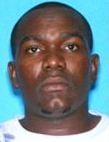
John Frederick Nichols was a 27-year-old man building a future for himself in Pinellas Park, Florida. A proud U.S. Army veteran who had served his country during the Gulf War, John was known for his strong work ethic. He was channeling his discipline and ambition into running his own lawn care and pressure washing business while also studying to become a lab technician at St. Petersburg Junior College. He was a man with plans, working hard to achieve them.
His family remembered him as someone who was not the type to frequent bars.
On the night of February 27, 1998, John had just finished a shift at a local fast-food restaurant. Shortly after, he pulled his truck into the parking lot of the Temptations lounge. There, his path tragically crossed with that of Dwight Thomas Eaglin, a 22-year-old professional boxer known as "Tommy The Fighting Irishman." Eaglin, a former state welterweight champion, had stolen a Geo Tracker from another bar's parking lot and was in the process of stealing the stereo from it. It is believed that John inadvertently discovered the burglary in progress.
Prosecutors theorized that John may have initially agreed to help Eaglin, who might have asked for assistance, but quickly realized the car was stolen and confronted him. When John attempted to leave, likely to call the police, Eaglin responded with shocking violence. Instead of using his fists, the boxer pulled out a knife and brutally attacked the unarmed veteran. Eaglin stabbed John 13 times, inflicting wounds to his chest and neck, with one blow so forceful it severed his spine. As he fled the scene in the stolen vehicle, Eaglin ran over John's body. John’s body was discovered at 1:15 a.m. by a lounge employee who had gone outside to empty the trash.
The senseless murder stunned the community and left John’s family devastated. The investigation proceeded quickly, and based on a tip, police moved in on their suspect. On the morning of March 7, 1998, as John's grieving family was preparing for his funeral, they received a call from authorities at 3 a.m. with the news that an arrest had been made. Dwight Eaglin was taken into custody and charged with first-degree murder and grand theft of a motor vehicle.
In January 2001, a jury deliberated for just an hour before finding Dwight Eaglin guilty of the first-degree murder of John Nichols. At the trial, Pinellas-Pasco Circuit Judge Brandt Downey sentenced the 25-year-old Eaglin to life in prison without the possibility of parole. The judge was clearly affected by the case, telling Eaglin, "I do know in 16 years, this is the most senseless and brutal murder trial I have ever had the displeasure of presiding over." He added that even in cases where he had imposed the death penalty, none had been "as brutal and senseless as this."
Eaglin's capacity for violence was far from exhausted. While serving his life sentence, he became one of three inmates who attempted a prison escape from the Charlotte Correctional Institution in June 2003. During the botched escape, Eaglin murdered corrections officer Darla Kay Lathrem and fellow inmate Charles Fuston, bludgeoning and stabbing them. For these two murders, Eaglin was convicted and, in 2006, sentenced to death. A judge noted that Eaglin smiled in court and showed no remorse as the sentence was handed down.
Over the years, changes in Florida's death penalty laws have led to resentencing hearings for Eaglin regarding the 2003 murders. However, his death sentence has been repeatedly upheld, confirming the judgment on his violent actions after he had already been imprisoned for life for ending the promising life of John Frederick Nichols. Eaglin remains on death row, his name forever linked to the three lives he destroyed.