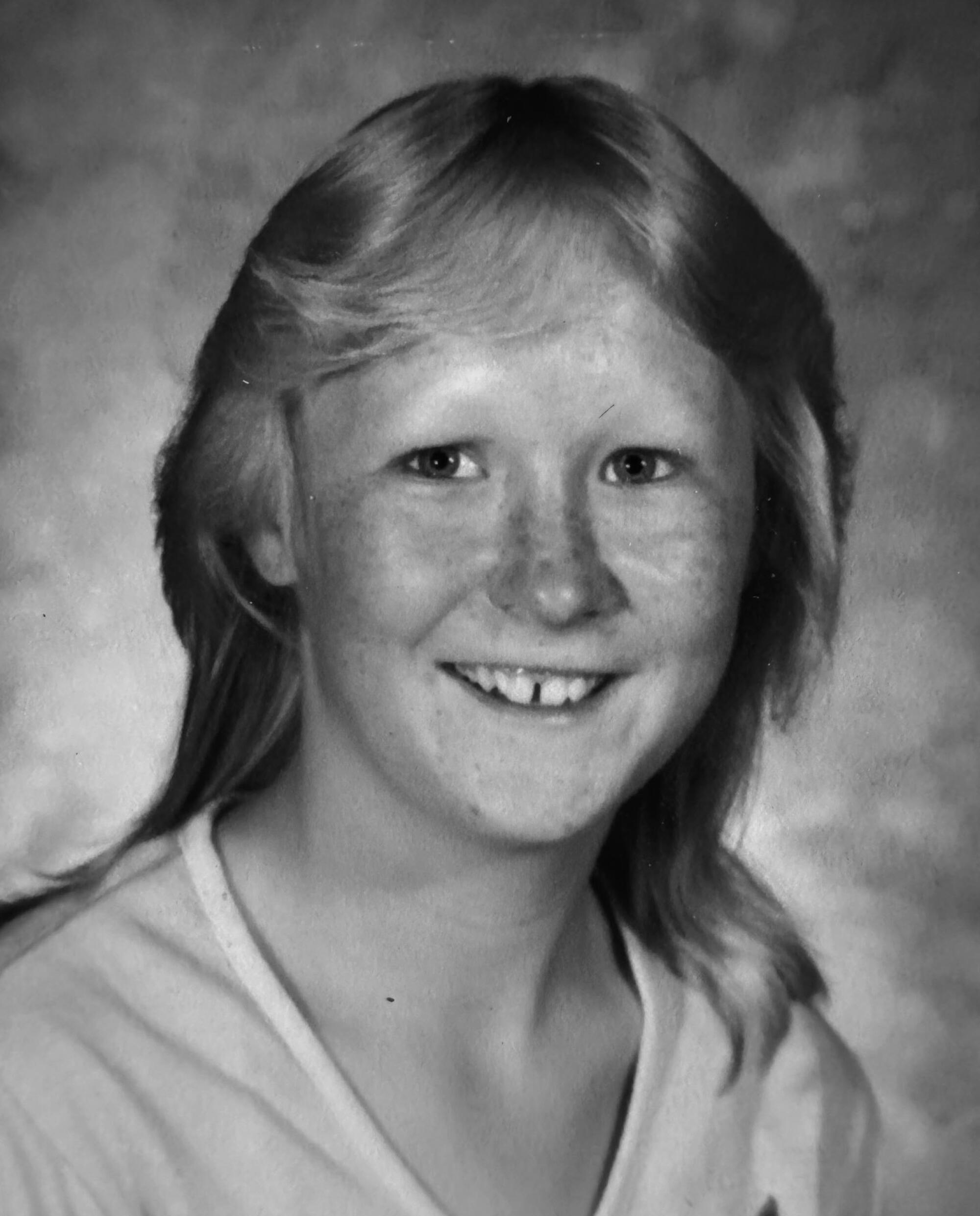
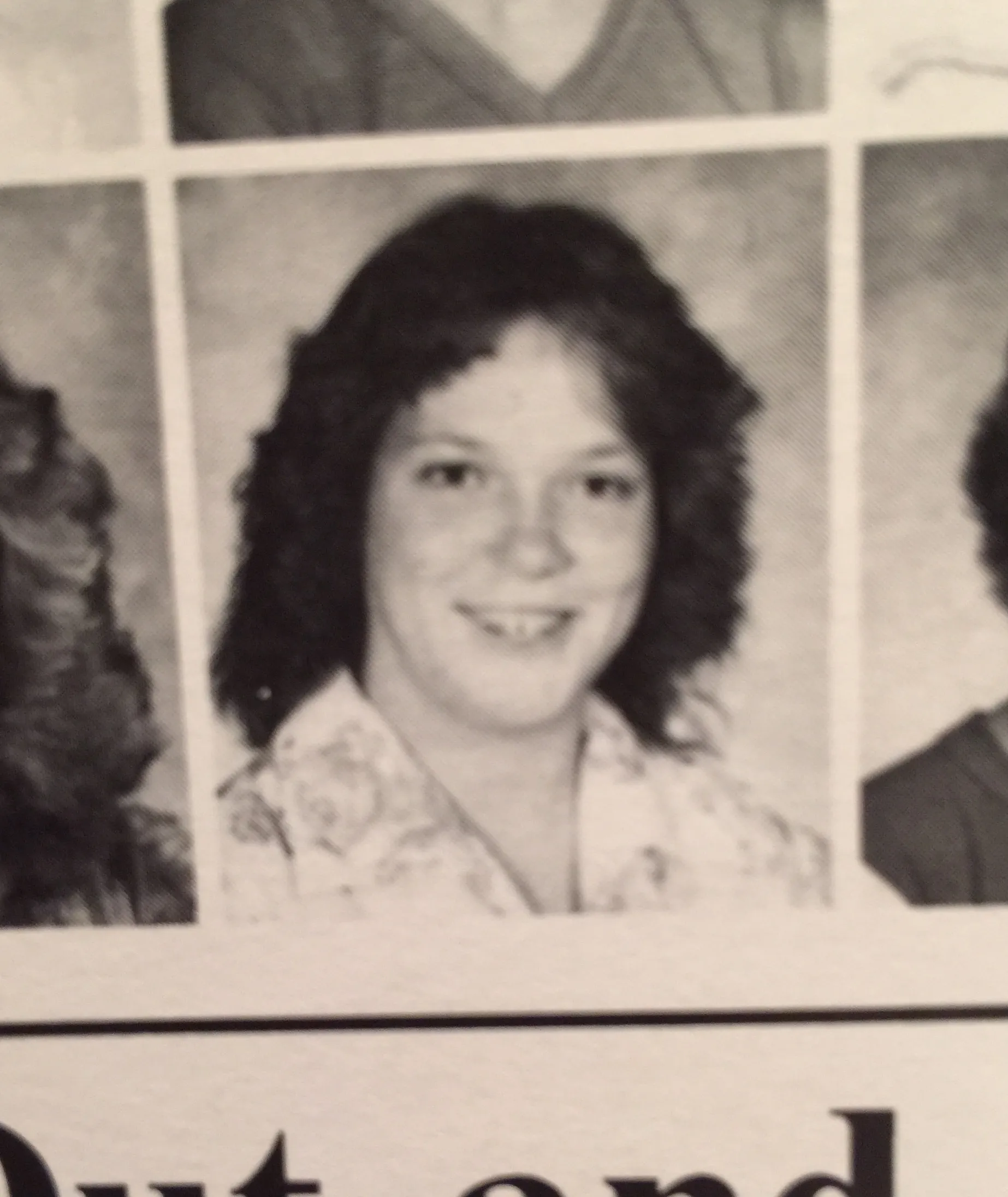
In the quiet Sierra Nevada foothill town of Placerville, California, the summer of 1984 was shattered by a series of terrifying events that began with the disappearance of a shy and trusting 14-year-old girl named Denise Galston. A white female, Denise and her twin sister, Debbie, had endured a difficult childhood marked by abuse before being placed in Nona Chapman's foster home on Weswin Court.
Despite their past, the girls were navigating their teenage years in a town where everyone felt they knew their neighbors. That sense of security, however, proved to be a tragic illusion.
On the evening of June 12, 1984, Denise was with friends at a popular local hangout spot known as the Bell Tower. She was seen getting into a car with Michael Anthony Cox, a 27-year-old local man who worked at a convalescent hospital and was acquainted with the girls from the foster home. Cox, who had a history of making rude and derogatory comments toward Denise and her friends, lured her away with the promise of a party. It was the last time she was seen alive. Her disappearance marked the beginning of a summer of fear for the small community, as a predator who would come to be known as "The Forest Killer" began his spree.
The search for Denise ended in heartbreak on July 31, 1984, when a logging crew discovered her partial skeletal remains in a remote area of the Eldorado National Forest in Pollock Pines. The grim discovery sent a wave of panic through Placerville. Investigators quickly suspected a single killer was responsible, a fear that was compounded when the body of another missing teenager, 18-year-old Lynda Burrill, was found in the same forest just five days later. The community was on edge, realizing a serial killer was in their midst.
The investigation into the murders was complex and relied heavily on the accounts of other teenagers who knew both the victims and Michael Cox. A breakthrough came when a 17-year-old girl from the same foster home, Joanna Napoletano, came forward months later. Terrified into silence, she eventually told investigators that she had been with Denise and Cox on the night of the murder. She recounted how Cox drove them to an underpass, brandished a knife, and viciously attacked Denise, stabbing her in the throat while Napoletano managed to escape. Another key witness was Cox's own girlfriend at the time, Darlene S., who testified that Cox had confessed to her that he had killed all three girls.
The horror for the Galston family was cruelly doubled on August 8, 1984, when Denise's twin sister, Debbie, vanished while walking to a party. Her disappearance followed the same terrifying pattern. The search for Debbie continued for months until her skeletal remains were finally discovered on October 27, 1984, also in the vast wilderness of the national forest. She was identified through her dental records. The community was left to mourn the loss of three young lives, two of them sisters who had already faced so much adversity.
Michael Anthony Cox was arrested for the three murders on November 10, 1984. His trial in 1985 brought the harrowing details of his crimes to light. The prosecution built its case around the powerful testimony of Joanna Napoletano and Darlene S., painting a picture of a predator who targeted vulnerable teenage girls. Despite the absence of physical evidence linking him directly to the crimes, the jury was convinced of his guilt. Cox was convicted of three counts of first-degree murder with special circumstances.
On November 26, 1985, Michael Anthony Cox was sentenced to death for the murders of Denise Galston, Debbie Galston, and Lynda Burrill. He was sent to death row at San Quentin State Prison, where he remains. The case that terrified a small town and took the lives of three young women, including two inseparable sisters, was officially closed, but the pain and the memory of that horrific summer linger in Placerville. Years later, the case would see legal challenges involving recanted witness statements, but the convictions have been upheld.