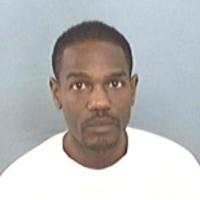
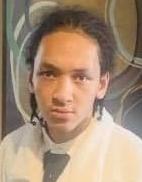
On a cool spring evening in Bridgeport, Ohio, the lives of two young people were irrevocably shattered by a moment of brutal, senseless violence. On March 19, 1982, Mark Aaron Withers, a 21-year-old man from the nearby village of Lansing, was shot and killed in a sudden, unprovoked attack. A graduate of Bridgeport High School's class of 1978, Mark was just beginning his adult life when it was stolen from him.
The crime, which remained a painful cold case for decades, would eventually be solved, revealing the perpetrator to be a serial killer who had murdered before and would kill again.
That Friday night, Mark Withers was with a 17-year-old female companion in his parked car at Gould Park, a local spot in Bridgeport. Their quiet evening was violently interrupted when a man knocked on the car window, screaming for them to open the door and give him their money. When Mark rolled down the window, the man shot him, ending his life. The attacker then pulled Mark’s body from the car and threw it over a fence before assaulting the teenage girl and fleeing the scene. The terrified survivor managed to escape and get help, providing police with a detailed account of the horrific event. She was taken to a hospital in Martins Ferry for treatment, where investigators collected DNA evidence from the assault, a crucial step that would prove invaluable many years later.
Despite the surviving victim's testimony and the evidence collected, the investigation into Mark’s murder quickly grew cold. The attacker was a stranger to the victims and had no known ties to the area, leaving local law enforcement with no suspects or leads to follow. For 26 years, the case remained unsolved, a source of anguish and uncertainty for Mark’s family and the young woman who survived the attack. They were left to wonder if the killer was still living somewhere in their community, a shadow of fear cast over their lives. As his cousin Richard Withers later recalled, the murder was a devastating event that he remembered "like it was yesterday."
The break in the case finally came in 2008, thanks to advancements in DNA technology. The evidence collected from the surviving victim in 1982 was resubmitted to the Ohio Bureau of Criminal Identification and Investigation's lab. When cross-referenced with the national DNA database of convicted felons, the sample produced a match: Eugene Blake. At the time, Blake was already incarcerated in a West Virginia prison, serving a 15-years-to-life sentence for the 1984 rape and murder of 13-year-old Maryann Hope Helmbright of Wheeling. The DNA match definitively linked him to the cold case in Bridgeport, and he was indicted on three counts of aggravated murder for the death of Mark Withers.
Eugene Blake was a multi-state serial killer with a long and violent criminal history. His first known murder occurred in 1967 when he stabbed 18-year-old Donna Jean Ball to death in Wayne County, West Virginia. For that crime, he was convicted and sentenced to life without mercy. However, in a move that would have tragic consequences, West Virginia's governor commuted his sentence, making him eligible for parole. Blake was released in 1979. Just three years later, only a week after moving to Wheeling, West Virginia, he drove to Gould Park and murdered Mark Withers. Two years after that, he killed Maryann Helmbright.
Following his indictment for Mark's murder, Blake was extradited to Ohio. To avoid a potential death sentence, he pleaded guilty in 2010 to aggravated murder. He was sentenced to 20 years to life in prison. At the sentencing, Blake, then 64, told the court he was raised in a violent atmosphere and became addicted to drugs, but claimed to have found God in prison. The plea deal brought a long-awaited resolution for Mark's family, who had been assured by authorities that Blake would never be free again.
However, in May 2022, Blake became eligible for and applied for parole in Ohio, sparking outrage and protest from his victims' families and prosecutors. Belmont County Prosecutor Kevin Flanagan wrote a letter to the parole board, calling Blake "the epitome of evil" and a "monster" who had proven he was incapable of rehabilitation after being paroled for his first murder. Mark's cousin, Richard, expressed his astonishment, stating, "This guy does not need to be out on the streets. History has proven what he is capable of." The Ohio Parole Board ultimately denied Blake's request, citing the likelihood that he would engage in additional criminal activity. His next parole hearing is scheduled for April 2032.